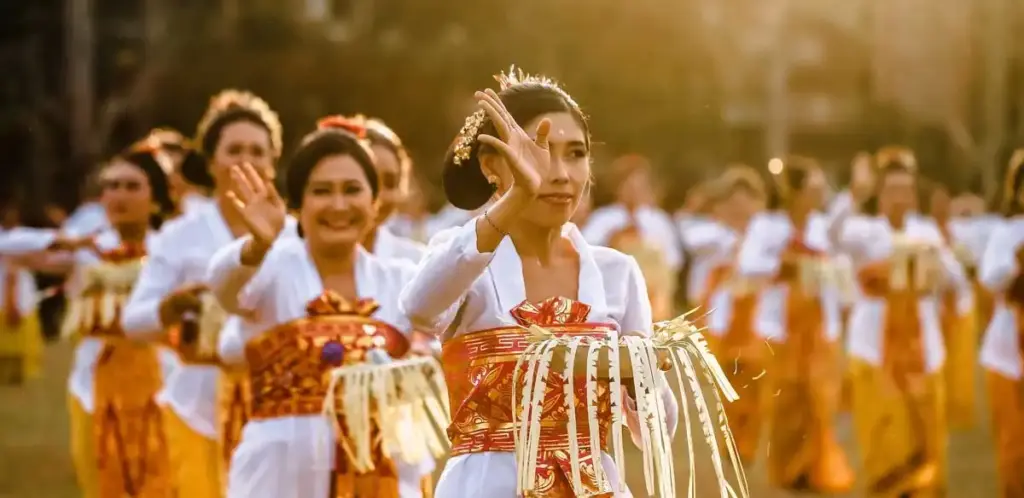
Galungan and Kuningan in Bali

Galungan and Kuningan in Bali

Galungan and Kuningan are two of Bali’s most sacred festivals. Galungan marks the triumph of dharma (good) over adharma (evil), and the return of ancestral spirits to bless the family. Kuningan, ten days later, marks their return to the spirit world.

If you are planning a trip to Bali, this period is a special time to visit. Whether or not you are drawn to spiritual traditions or local customs, these festivals give a rare, authentic glimpse of the local culture that most itineraries usually do not mention.

This guide gives you a vivid picture of Galungan and Kuningan in Bali. You will read about how Balinese celebrate, and how you can experience these festivities respectfully. You will not find this level of detail in most travel guides.

Galungan and Kuningan Dates in 2026

In 2026, Galungan and Kuningan will be celebrated once according to the 210-day Balinese Pawukon calendar.

  • Galungan starts on Wednesday, 17th June 2026
  • Kuningan falls on Saturday, 27th June 2026, marking the end of the 10 day celebration.

The Bali Provincial Government officially recognises these dates.
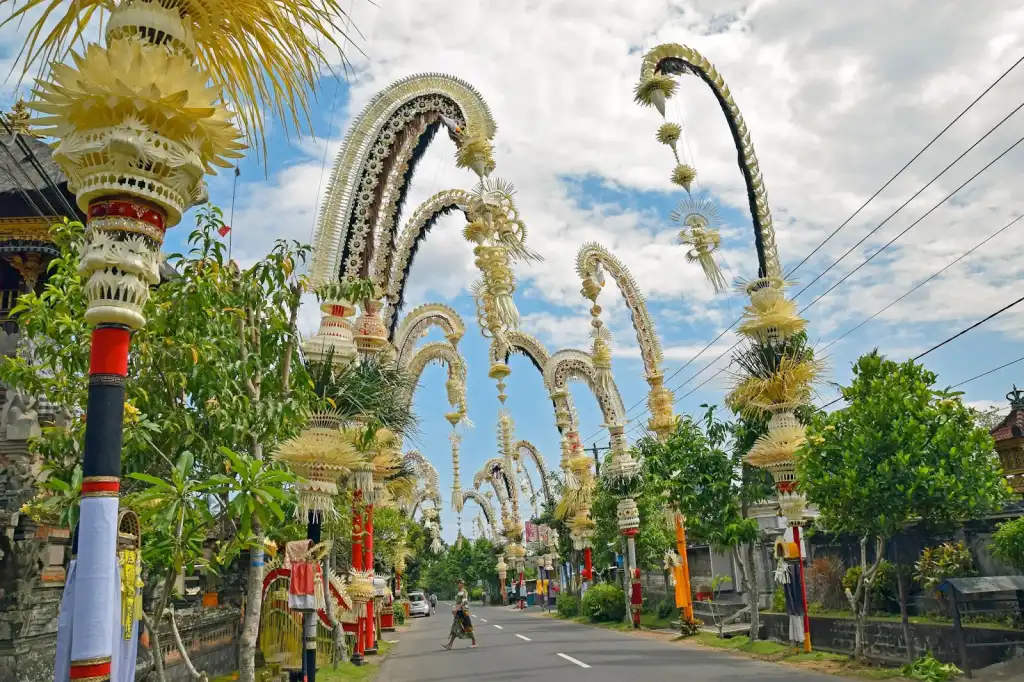
Decorations for Galungan

How Bali Prepares for Galungan

The days before Galungan are filled with rituals, preparations, and family traditions. In Balinese homes, preparations begin three days in advance. Each day has a specific name, purpose, and set of rituals.

Three Days Before: Penyekeban

On this day, families start ripening bananas at home. The name Penyekeban comes from nyekeb, which means to cover or enclose. It is a quiet day; people pause their usual routines and begin preparing their homes and minds for Galungan.

Two Days Before: Penyajahan

Families prepare traditional cakes and sweets. They prepare these dishes from rice flour, coconut, and palm sugar. These treats will later become part of the offerings. Kitchens stay busy. Women work together in groups. The air smells sweet and earthy.

One Day Before: Penampahan

Penampahan is the most intense day of preparation. Families cook lawar and prepare babi guling. Some households make small animal sacrifices. Locals believe this tradition cleanses the space before welcoming ancestral spirits.

By evening, the streets are quieter. Families have finished shopping. Homes are clean. Offerings are ready. 

Villagers line the streets with tall bamboo poles called penjor. They decorate them with coconut leaves, rice, and small ornaments. The island shifts from daily activity to spiritual focus.

Note: Kuningan does not have formal preparation days. Most families prepare offerings the night before and complete ceremonies by midday.

What Happens During Galungan and Kuningan in Bali

Morning Rituals at Home

Rituals begin before sunrise and wrap up before noon.

Families bathe, dress, and begin the day with prayer at home shrines and family temples. The prayers are personal and unhurried. Parents light incense and recite blessings. Children help place offerings.

Women wear lace kebaya with colourful sashes. Men wear white shirts with sarongs and udeng headscarves.
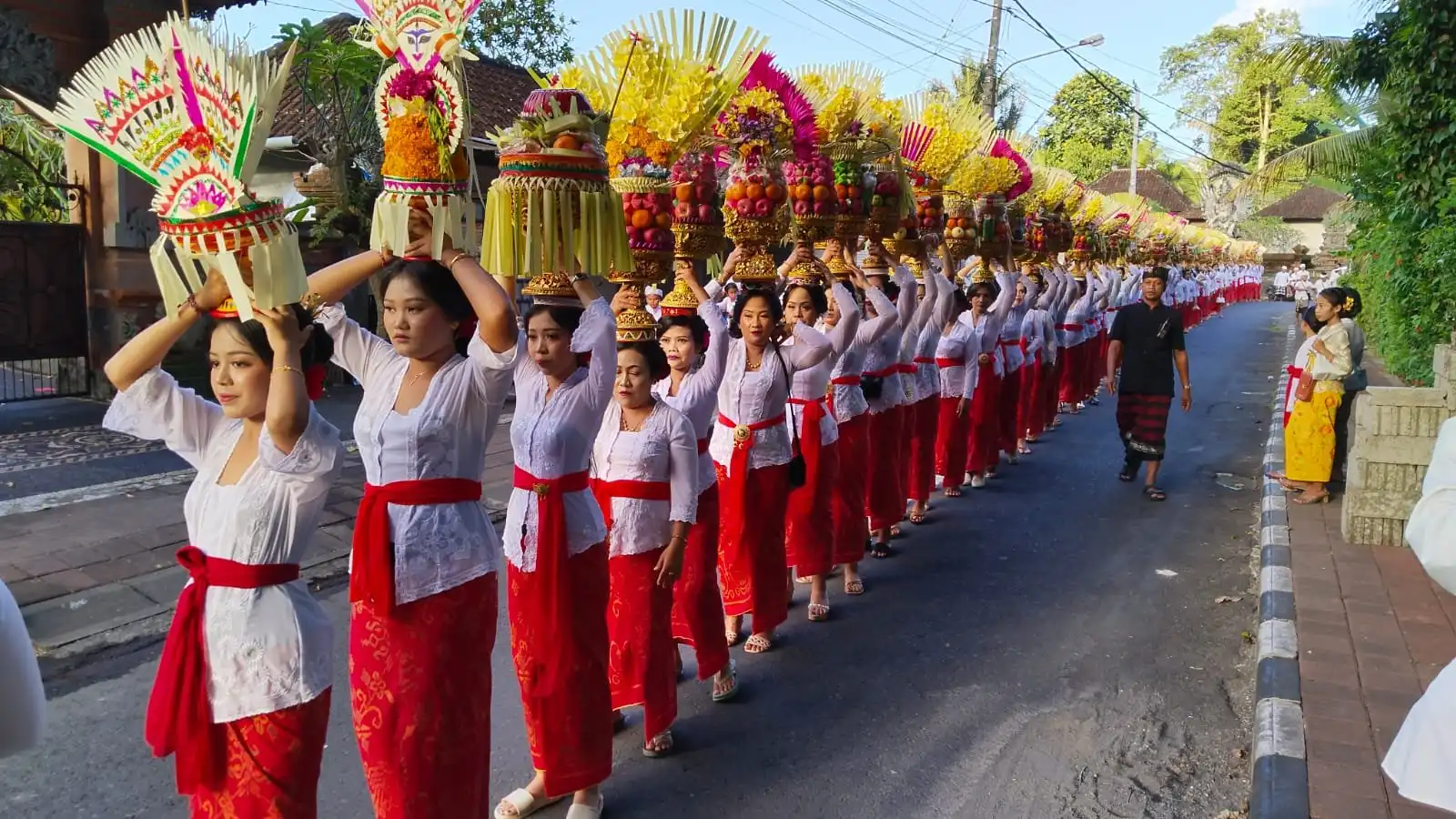
Balinese women attending a ceremony with offerings for Galungan

Offerings During Galungan

Families prepare small arrangements called canang sari. These sit in woven palm-leaf trays, filled with flowers, betel leaves, rice, coins, incense — and sometimes even crackers.

Locals choose each item intentionally. They offer betel leaves to Brahma, place flowers for Vishnu, and include incense to honour Shiva.

They add rice to symbolise daily nourishment. Many now include candy or crackers, especially when children help prepare the offerings.

Locals place offerings with reverence to the Trimurti — Brahma the creator, Vishnu the preserver, and Shiva the transformer.

They place these offerings at doorsteps, roadside altars, home shrines, and family temples. 

People move slowly. They speak softly. They often walk barefoot. The act of offering is not rushed.

Traditional Foods and Family Gatherings

After morning rituals, families share a special meal. Galungan is one of the few times extended families come together across generations.

Meals include:

  • Lawar — a mix of minced meat, coconut, and spices.
  • Babi Guling (roast pork).
  • Urab — a mix of vegetables and grated coconut.

Locals make these meals at home and serve them on banana leaves. They sit together on the floor mat, sharing food as a blessing and a celebration.

Barong costume

Village Customs

Penjor is the most visible sign that Galungan has begun.

Women walk with baskets of offerings on their heads. Temples sound their gongs, bells, and mantras. 

In some villages, the Barong appears. It is a lion-like figure that represents a guardian spirit. Dancers and musicians lead it from house to house to ward off negativity and restore balance. 

Children follow behind. Some laugh. Others watch quietly, unsure whether to be scared or amazed.

Not every village keeps this tradition. But where it happens, it adds a burst of colour and movement to an otherwise quiet day.

The day after Galungan is called Manis Galungan. Families reserve this day for temple visits and relaxed gatherings. It is quieter; it is a day for reconnecting with roots.

Kuningan: The Closing Ceremony

Kuningan quietly marks the end of the festival cycle. The offerings shift in atmosphere and colour. 

The mood feels quiet and reflective. 

Yellow becomes the dominant shade. ‘Kuning’ means yellow in Bahasa Indonesia. 

The colour symbolises purity, prosperity, and farewell. It reflects a hope for protection and blessings as ancestral spirits bid farewell to humans.

Yellow is seen in the rice (nasi kuning), the flowers, the coconut-leaf decorations, and in the clothes people wear.

Locals place tamiang at shrines — round, shield-like decorations made from coconut leaves. These symbols represent protection and spiritual closure.

Kuningan is not just a farewell to the spirits. It is a gentle reminder that every homecoming is followed by release.

A traditional Balinese Galungan decoration

Are Galungan and Kuningan Public Holidays in Bali?

Yes, Galungan and Kuningan are official holidays in Bali.

Most schools close for about two weeks. Banks and government offices shut or work shorter hours.

Tourist zones like Seminyak and Canggu stay more active. But even here, the mood softens.

Balinese women walking in traditional wear

How Galungan and Kuningan Affect Travel Plans in Bali

Galungan and Kuningan will not stop your Bali trip. But they do change how things run. 

Shops and Services

Many locally run shops and family businesses close for the day. Tourist-facing restaurants and beach clubs usually stay open. Supermarkets may open late or close early.

Transport

Fewer taxis and drivers are available, especially in the mornings. Expect slower response times on ride apps. Rural roads can get crowded as families travel between temples and homes.

Temples and Tours

Some temples may be closed to non-locals during key prayer times. Cultural tours might get cancelled, shortened, or rerouted. Always check with your operator a day in advance.

Planning Trips: Avoid long road trips or activities early in the morning. Book transport or drivers ahead of time. Be flexible; some changes can happen last minute.

A Balinese couple with offerings for Galungan and Kuningan

Galungan and Kuningan Etiquette for Visitors

Dos

  • Dress modestly. Cover your shoulders and knees, especially if you are around temples or villages. Even if you are not entering a sacred space, your outfit shows respect.
  • Step aside during processions or temple activities. Give locals space. Observe them from a distance without interrupting.
  • Walk around offerings. Never step on or over them. You will see them on sidewalks, at shop entrances, and even on vehicles. 
  • Ask before taking photos of people. Many may be praying or performing rituals. They may not want to be photographed.
  • Keep your tone and body language respectful. Speak softly. Do not point your feet at people or shrines.
  • If you are allowed to watch a ritual or prayer, observe silently. Avoid using flash. Do not get too close to locals.

Don’ts

  • Avoid walking through or disrupting a ceremony, even if it is happening in a public space.
  • Offerings are sacred. Do not touch, move or photograph them without seeking permission from locals.
  • Only enter temples if you are dressed appropriately and welcomed in.
  • Avoid sacred spaces during menstruation, as per local custom and temple signage. Many temples display signs to indicate this restriction.
  • Skip loud activities like ATV rides, pool parties, or outdoor workouts near villages or temples on festival days.
  • Rituals are not performances. Observe with quiet respect, not curiosity meant for entertainment.
A tourist visiting a hotel in Bali

Experiencing Galungan and Kuningan at Viceroy Bali

At Viceroy Bali, Galungan and Kuningan are not marked with events. But you will still notice signs of the festival all around you.

Each morning, fresh offerings appear near steps, shrines, and quiet corners of the resort. Incense burns softly at entryways. From nearby temples, you may hear bells or distant chanting.

The staff wears ceremonial attire. They are happy to explain the meaning behind what you see. No lectures, just gentle context. 

Viceroy Bali gives you space to witness Balinese culture as it unfolds.

To experience this sacred time with quiet comfort, book your stay at Viceroy Bali. We will ensure your experience flows gently and meaningfully.

FAQs

  1. What are the best places to stay in Bali during Galungan and Kuningan?

You could stay in Ubud, Sidemen, or Gianyar if you want to feel the festive spirit of Galungan and Kuningan around you. Sanur is quieter but still close to tradition. Canggu and Seminyak are busier. So, the festive mood may be more muted.

  1. Do restaurants offer special menus during Galungan and Kuningan?

Some local warungs and family-run eateries may offer traditional Balinese dishes like lawar and babi guling during this time. Fine-dining restaurants usually keep regular menus, unless they are celebrating in-house with their teams.

  1. Are kids allowed to visit temples or watch ceremonies?

Yes, children are welcome. Make sure they follow basic etiquette: stay quiet, do not touch offerings, and keep a respectful distance.

  1. Is traffic worse in certain areas during Galungan and Kuningan?

Yes. Village roads and temple zones may see heavier traffic in the early mornings. Ride-hailing apps may take longer to respond. Avoid planning intercity travel or full-day excursions before noon.

  1. Are ATMs, currency exchanges, or convenience stores open during the festivals?

In Ubud or Seminyak, most ATMs and convenience stores remain open. Some may reduce hours. However, smaller money changers and family-run shops may close.

  1. Do airlines or domestic flights get busier during Galungan and Kuningan?

Yes. Many Balinese people working or studying outside the island return home. Demand for domestic flights spikes, especially from Jakarta and Surabaya. 

  1. Can I wear traditional attire as a tourist during the festivals?

Yes, but wear it respectfully. You can wear a sarong, sash, or kebaya if visiting temples. Avoid dressing up purely for photos. Ask your hotel staff for guidance. Cultural sensitivity matters more than clothing accuracy.

Bali Trip Cost

Bali Trip Cost

There is no fixed cost for a Bali trip. When planning, it is best to set a budget that suits your preferences — a budget-friendly getaway or a luxury trip.

Bali trip costs can vary widely based on factors like which part of Bali you stay, the type of accommodation, dining choices, transportation, activities, timing of visit, and other expenses.

As a general guide, you should allocate per couple around $1000 per week for a budget trip, $2000-$3000 per week for an average trip and $5000 and upwards for a luxury stay in Bali. 

In this guide, we have broken down the costs for each factor to help you estimate the potential range. These prices are approximate and subject to change due to inflation or seasonal fluctuations. Please check credible booking sites for the most up-to-date rates.

By the end of this blog, you will be able to customise your Bali trip to match your style and budget. 

Seven Factors That Influence Your Bali Trip Cost

  1. Where You Stay in Bali

Some regions in Bali offer more affordable stays than others. We have listed the regions in Bali from costliest to most affordable.

South Bali

This area is Bali’s busiest and most popular. It is packed with luxury resorts, trendy restaurants and bars, high-end beach clubs, stunning coastlines, luxury shopping, and nightlife. With so many attractions, South Bali draws large numbers of tourists. Accommodation here is highly sought after. Demand, along with fancy amenities, drives prices up.

Central Bali (Ubud)

Ubud is Bali’s centre for culture, art, and wellness. It attracts visitors looking for yoga retreats, peaceful landscapes, and an authentic Balinese experience. Boutique hotels in Ubud are highly sought after because they offer scenic views of rice terraces and jungles. They also provide spa and wellness services that align with the area’s tranquil vibe. This combination of unique settings and wellness-focused experiences makes Ubud the next most expensive area after South Bali.

East Bali

East Bali has volcanic mountains, remote temples, and traditional villages that reflect an older, untouched side of Bali. Unlike Ubud, East Bali does not focus on wellness retreats or boutique hotels. It is quieter and less developed. It attracts travellers seeking nature, hiking, and authentic culture without the crowds. Accommodations are simpler; luxury amenities are fewer. Prices are mid-range.

West Bali

West Bali is quiet and remote, untouched by mass tourism. This area draws travellers looking for natural beauty and a laid-back experience far from the crowds. Visitors can hike, snorkel, and spot wildlife at West Bali National Park. Development here is minimal, with fewer hotels and simple accommodations. Prices are budget-friendly.

North Bali

North Bali is the island’s least touristy region. It offers calm beaches, beautiful waterfalls, and a glimpse into traditional Balinese life. This area is perfect for travellers seeking peace and a slower pace. The tourist infrastructure is minimal; accommodations are affordable.

  1. The Accommodation Type

Accommodation costs in Bali vary based on the type of stay you choose. Here is a quick look at average prices for different options:

  • Budget Hotel: Less than $10 per night (off-season); around $20 in peak season.
  • 3-Star Property: $30–$60 per night (off-season); $70–$100 in peak season.
  • 4-Star Property: $80–$120 per night (off-season); $80–$150 in peak season.
  • 5-Star Property: $120+ per night (off-season); $300+ in peak season.
  • Ultra-Luxury Resorts: $1,000+ per night, with some of the top luxury hotels in Asia located right here in Bali.

Understanding the hotel star rating system can also help you compare properties more accurately and decide which level of comfort fits your budget.

Factors That Influence Accommodation Costs:

  • Location

Staying in luxury areas like Nusa Dua, Seminyak, Canggu, and Ubud is more expensive.

  • Views and Setting

Rooms with ocean or jungle views, or those near scenic spots, tend to have higher rates.

  • Room Category

Within hotels and resorts, room categories are priced differently based on comfort and amenities.

  • Amenities and Services

Some of Bali’s luxury villas come with exclusive perks like private pools and personalised services. This aspect makes them pricier than standard rooms.

Tips

  • Bali hotel prices are generally per room per night, not per person, except in dorms or shared rooms.
  • Budget hotels often include essentials like a bathroom and air conditioning. In luxury hotels, room rates vary more by location, room type, and included experiences.
  1. Your Dining Preferences

The cost per meal ranges from $1 to $25 in Bali. Dining choices range from budget-friendly street food to luxury fine dining. Each has different price points. Here is a quick look at average prices for different options:

  • Budget Venues: $1–$3 per meal (street food, local warungs).
  • Casual Venues: $5–$10 per meal (cafés, casual dining).
  • Mid-range Restaurants: $10–$25 per meal (comfortable settings, local and international dishes).
  • Luxury Venues: $25+ per meal (fine dining with extensive menus and premium service).

Even breakfast can be an experience in Bali, with local flavors and creative menus shaping the start of your day.

Types of Dining Options:

  • Food Stalls

These offer street food at very low prices and are ideal for trying authentic Balinese snacks.

  • Warungs

Warungs are local, family-run spots. They serve homemade Balinese meals at affordable rates.

  • Casual Cafés

Casual cafés offer a mix of Balinese and international dishes. Some are set in picturesque locations.

  • Mid-range Restaurants

These venues provide comfortable dining with good service, serving both Balinese and international cuisine.

  • Fine Dining

Fine dining venues feature sophisticated décor, fusion dishes, tasting menus, and extensive wine selections.

Factors Affecting Meal Costs:

  • Location

Restaurants in tourist hotspots or luxury areas like Seminyak and Ubud are more expensive.

  • Menu Type

Tasting menus are pricier than à la carte options.

  • Beverage Selection

Fine dining venues may offer premium wines and rare spirits. This adds to the cost. Some restaurants also have sommeliers. They guide diners in pairing the right wine with their meals. This value in service adds to the price. 

  • Service

The elegant setting and stunning views enhance the fine dining experience. Some fine dining restaurants offer private dining rooms for intimate and exclusive celebrations and romantic dinners. Restaurants charge more for these offerings.

  1. Commute Options

Transportation costs in Bali vary depending on the type of commute you choose. Here is an overview of options to help you budget accordingly.

  • Bicycle Rental

$2–$4 per day. This option is ideal for short distances and offers an eco-friendly way to travel.

  • Scooter Rental

$5–$7 per day. It is a quick and convenient way to get around, especially for solo travellers.

  • Premium Scooter Rental

$10–$25 per day. You can rent a premium scooter with insurance coverage. This option provides added comfort and safety.

  • Non-App Scooter Taxi

$3–$5 per trip. It offers a budget-friendly option for short trips within local areas.

  • App-Based Scooter Taxi (Grab / Go-Jek)

$1–$3 per trip. It is easy to book and is often cheaper than non-app alternatives. Prices are upfront so you can see the price before you book.

  • Car Rental with Driver (Half or Full Day)

$20–$60. This option provides flexibility and comfort for exploring Bali at your own pace.

  • Taxi Car

$5–$10 per trip. It is convenient for door-to-door service and is suitable for longer distances or nighttime travel.

Some hotels and resorts offer complimentary airport transfers, while others may charge for this service. It i best to check with your accommodation in advance.

Tip

Some resorts or hotels arrange a private transfer from the international airport to your hotel room for free. Others may either not offer this service or charge you for this.

  1. Leisure Experiences

Bali offers options for adventure lovers and culture enthusiasts. Each comes with different costs. Here is an overview of popular options:

  • Adventure Activities

You can try white water rafting, hot air balloon rides, and sunrise treks at Mount Batur. Prices differ depending on the service level and group size.

  • Cultural Experiences

You can try a Balinese cooking class, stroll the rice terraces, or visit local temples. These immersive experiences are generally affordable.

  • Luxury Options

For higher budgets, you can consider private yacht cruises, helicopter rides, and exclusive guided tours. These private options are more expensive but offer personalised experiences.

  1. The Timing of Your Visit

Here is how each season impacts prices:

  • Peak Season (June–August; Major Holidays)

Prices are highest during the dry months and major holidays like Christmas, New Year, Idul Fitri, and Easter. Events like the Ubud Writers & Readers Festival and Bali Arts Festival also draw crowds, driving up accommodation and activity costs.

  • Low Season (November–March)

Frequent rains and high humidity during these months reduce tourist numbers. As demand drops, many hotels and resorts offer discounted rates to attract visitors. The rainy season in Bali shapes the atmosphere during this period and influences how travellers experience the island.

  • Shoulder Season (April–May; September–October)

This period between peak and low seasons balances good weather and lower prices. Many luxury hotels and resorts provide value-added packages. So, it is an ideal time for budget-conscious travellers seeking a comfortable experience.

  1. Miscellaneous Factors

Small expenses can add up throughout your trip. Here are a few miscellaneous costs to keep in mind:

  • Tipping

Tipping is not mandatory in Bali, but it is appreciated. A 5-10% tip on the total bill is considered generous and is common for good service.

  • Entrance Fees and Temple Donations

Many attractions and temples charge a small entrance fee or request a donation. The amount is usually around $1–$5 per site. These costs can add up if you are visiting multiple locations.

  • Shopping and Souvenirs

Bali is known for its local crafts, textiles, and unique souvenirs. Costs of souvenirs are generally low. But shopping at markets or art shops can lead to additional expenses, especially if you enjoy collecting items.

  • Visa Fees

Depending on your nationality, a Visa on Arrival can set you back by around $35. It allows a 30-day stay with one possible extension.

  • Health and Wellness Services

Spa treatments, yoga sessions, and wellness activities vary in cost. Basic treatments start at around $10, while high-end spas may charge $50 or more.

  • ATM and Currency Exchange Fees

Using ATMs or currency exchange services can incur fees. Many banks add international transaction fees, and exchange rates can vary by provider.

Bali Trip Cost: Tips

  1. Include a small buffer for any unexpected expenses. Having an extra budget helps cover surprises like additional transportation, spontaneous activities, or currency fluctuations.
  1. Book accommodation, activities, and transportation in advance. Booking early often gives you access to lower rates and more choices, especially during peak seasons.
  1. Take advantage of hotel and resort packages. Packages that combine accommodations, meals, and excursions are available at discounted rates. This can save you money compared to booking each component separately.
  1. Research price trends. Prices in Bali fluctuate with the seasons. By checking the average costs for your planned travel period, you can budget more accurately.
  1. Use reliable platforms for updates. Trusted booking platforms provide the latest rates for accommodations, activities, and transportation. This helps you avoid unexpected price changes and last-minute hassles.

FAQs

  1. What is the best way to pay in Bali — cash or credit card?

Cash is often the best way to pay in Bali. You will primarily use the Indonesian Rupiah (IDR). Credit cards are accepted in tourist areas. But smaller shops and local markets usually prefer cash. Using cash can sometimes get you a small discount in markets, especially if you are a frequent shopper

  1. Are there restrictions on bringing cash into Bali?

If you are bringing more than 100 million IDR (or equivalent), you need to declare it at customs. For most travellers, this is not an issue.

  1. Do I have to pay tourist taxes or fees at the Bali airport?

Yes, Bali charges a tourist fee of IDR 150,000 (about $10) for all foreign visitors. You can pay online at the Love Bali website or airport counters. Airport departure tax is already included in your ticket. So there is nothing extra to pay when you leave.

  1. Can I bargain at markets and local shops?

Yes, bargaining is common in Bali’s markets. Negotiate at about 50–60% of the price.

  1. What is the best way to get around Bali without overspending?

The most affordable ways to get around Bali are scooters and ride-hailing apps. Scooters are ideal for short trips. For longer journeys, renting a car with a driver is a good choice.

  1. Are there free or low-cost activities to do in Bali?

Yes. You can explore beaches, visit temples, walk through rice terraces, and browse local markets. Many are free or have a small entrance fee.

  1. What is the best way to avoid extra fees when withdrawing cash?

Use ATMs at reputable banks, limit small withdrawals, and withdraw larger amounts less often to reduce transaction fees.

  1. What is the best way to manage currency exchange in Bali?

Avoid large exchanges at the airport, where rates are often less favourable. Use reputable exchange centres in tourist areas for better rates. Avoid small, unofficial kiosks to prevent scams.

Unmarried Couples in Bali

Unmarried Couples in Bali

In 2022, the Indonesian government passed a bill making it illegal for unmarried couples to cohabit and engage in sexual activities outside of marriage. Offenders can face up to a year in jail.

This new criminal code will take effect after about three years. 

Although initially, lawmakers said this new law would apply to both Indonesians and foreigners, the Indonesian government has nowconfirmed that the proposed sex law will not affect tourist couples.

If you are a tourist visiting Bali and you are not married, you can stay together in the same room confidently.

In this article, we will break down the new law, and what it means for unhitched romantic couples in Bali. 

What Does Indonesia’s New Sex Law Mean for Tourists?

Lawmakers have emphasised that there will not be any checks on marital status at tourist accommodations. For visitors, choosing between a resort and a hotel often comes down to the level of privacy and tailored experiences they prefer. So, unmarried couples can stay in Bali and other tourist areas without concerns.

Bali is more relaxed compared to conservative regions like Aceh. Some conservative areas outside of Bali practise Sharia law and enforce stricter moral rules to maintain their traditional and religious norms. They oppose alcohol consumption, adultery, and homosexuality.

As a tourist, it is important to be aware that laws can vary by region in Indonesia so that you can plan better and ensure a smooth trip.

Potential Impact on Unmarried Couples

If you are a foreigner and start living in a relationship with an Indonesian national, and a close family member reports, you might land into trouble. The police cannot take action against you if someone else apart from these relations reports against you.

Why Is Indonesia’s New Sex Law Not Applicable for Tourists?

Indonesia wants to bring tourists back after a decline due to the COVID-19 pandemic. Bali aims to attract six million foreign visitors annually by 2025. It must continue to offer a welcoming environment to tourists to meet this target.

Bali has a long history of providing comfort and enjoyment for international visitors. By not applying the law to tourists, the island can maintain its tourist-friendly image.

Why Is Tourism Important for Bali?

  1. Economic Backbone

Tourism accounts for 80% of Bali’s economy. It has made Bali one of Indonesia’s richest islands. This industry supports a range of sectors:

  • Hospitality: Hotels, resorts, and other accommodation providers.
  • Retail: Shops and markets selling souvenirs and local crafts.
  • Transportation: Services like taxis, car rentals, and tour operators.
  • Entertainment: Activities and attractions, like cultural shows and adventure tours.

The money spent by tourists encourages the development of infrastructure like roads, airports, and public facilities. This not only makes travel easier for visitors but also enhances the living conditions for locals by improving public amenities and services. Bali welcomes visitors year-round, though it is worth checking the Bali rainy season before planning your trip to make the most of your visit.

  1. A Blend of Different Countries

Bali has a global appeal. The island has something for everyone. For example:

  • Kuta has a vibrant nightlife and party scene, like Ibiza.
  • Canggu’s atmosphere is similar to Australian beach towns.
  • Ubud is serene and spiritual like Rishikesh or Dharamshala in India.
  • Nusa Dua has private golf courses and beautiful beaches, like the French Riviera or Cancun.

Why Did Indonesia Propose the New Sex Law?

The new sex laws are meant to keep traditional values and address moral issues. The idea is to follow cultural and religious beliefs more closely.

Indonesia is mostly Muslim but also has people who practise Hinduism, Christianity, and other religions. Before elections, some political leaders suggest strict laws to get support from conservative voters

Similar laws were tried in 2019 but were delayed after many protests. The current proposal has gained global attention, showing the ongoing debate between keeping traditional values and supporting tourism.

FAQs 

  1. Can unmarried couples in Bali share a room or stay in hotels together?

Yes, unmarried foreign tourists visiting Bali can share rooms and stay in hotels together. This is because Indonesian lawmakers have assured tourists that the new sex laws will not apply to foreigners visiting Bali. 

  1. Are there any special precautions for LGBTIQ+ couples visiting Bali?

The island, generally, has a welcoming attitude towards people. The locals ensure you have a comfortable stay regardless of your relationship status or orientation.

  1. Can I enjoy romantic beach dinners with my partner without worrying about the new law?

Romantic beach dinners and private dining experiences are part of Bali’s charm. The new law does not apply to tourists. You can enjoy a sunset dinner on the beach, parties and other social gatherings without concerns about marital status.

  1. What happens if I accidentally break local customs while travelling in Bali?

Compared to other conservative regions in Indonesia, Bali is relaxed. The authorities overlook minor breaches of local norms, like small public displays of affection. However, you must follow the dress code at religious sites and other mandatory local customs.

  1. Can unmarried couples attend traditional Balinese ceremonies?

Many cultural events, like temple festivals and traditional dance performances, are open to all visitors regardless of their marital status. Dress modestly and show respect for local customs during these events.

  1. What should unmarried couples keep in mind when exploring remote areas of Bali? 

Unmarried couples should try to dress modestly and be respectful of local traditions in remote areas. At Viceroy Bali, our staff can guide them and provide tips on how to navigate these areas respectfully.

  1. Are there any special tips for unmarried couples planning a honeymoon in Bali?

Choose tourist areas like Seminyak, Ubud, or Nusa Dua. These locations are popular and well-known for their hospitality. There, the new law does not affect tourists.

For instance, when you stay at an established honeymoon hotel like Viceroy Bali, you can rest assured that your privacy is not compromised.

We respect your confidentiality. We never discuss or share details about our guests’ sleeping arrangements or personal matters.

Our in-villa staff are known for their outstanding service and friendliness. You can count on us to keep your stay private, enjoyable, and worry-free.