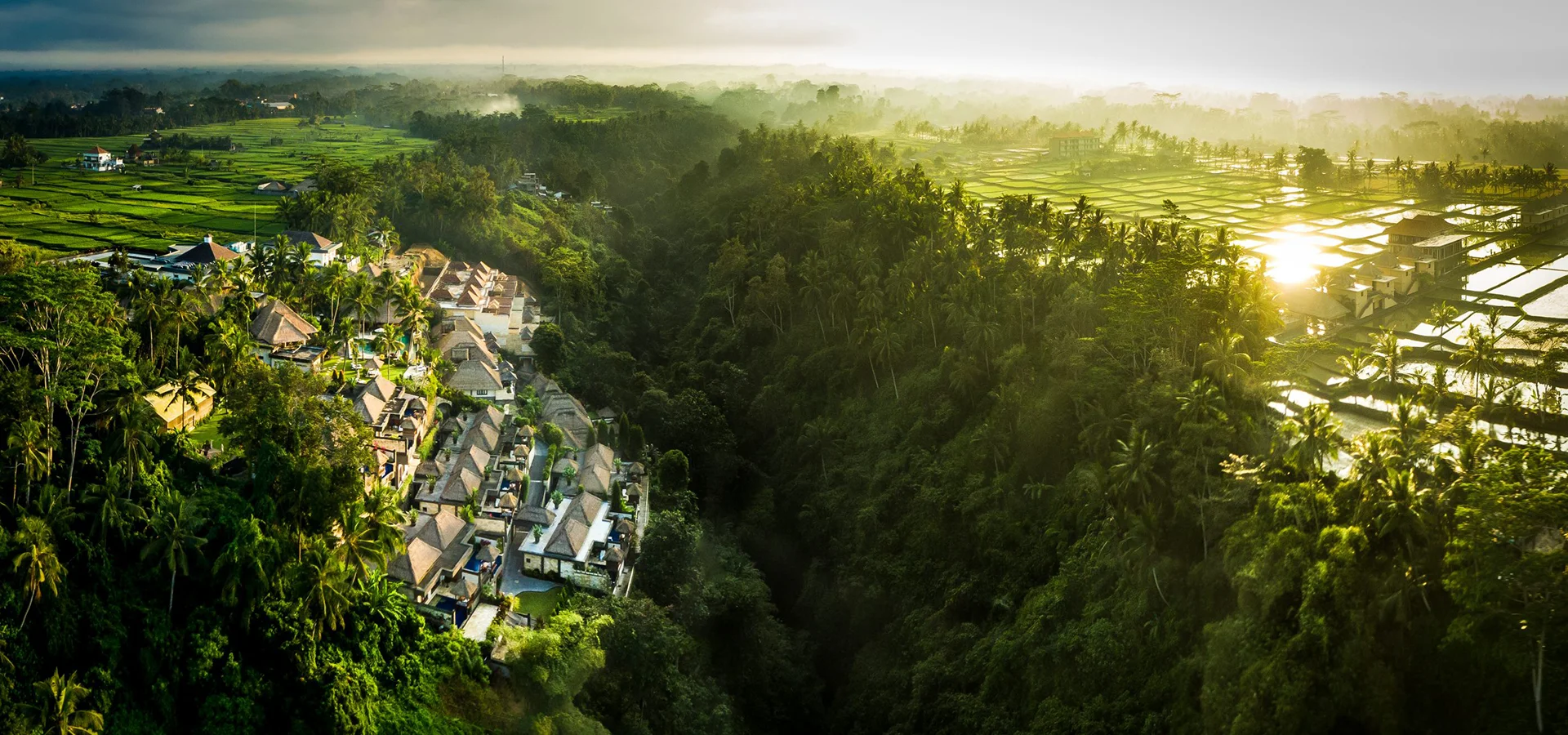
Best Time to Visit Beaches and Temples in Bali

Best Time to Visit Beaches and Temples in Bali

Pura Lempuyang - Viceroy

Bali is famous for its culture firmly rooted in spirituality. Daily worship has been a part of local life for thousands of years, visible in the some 20,000 Hindu puras (temples) that dot the island.

Chasing the perfect golden hour at a temple should be planned with a visionary plan. Here, the best time to visit Bali depends entirely on your vision of paradise.

Two Seasons in Bali: Wet and Dry

Bali’s tropical rhythm is divided into two distinct chapters. There are dry and wet seasons. The dry season is from April to October, whilst the wet season is from November to March.

During dry season, the humidity is low, and the sun is a permanent fixture in the sky. It is perfect for exploring the lush jungle surroundings of Viceroy Bali.

The wet season brings brief, dramatic downpours that transform the island into a vibrant emerald green. The humidity is higher than in the dry season and is the “secret season”. This season is offering cooler temperatures and a serene, misty atmosphere in the highlands.

What’s the Best Time to Visit the Temple and Beaches in Bali?

Bali’s spiritual landmarks are masterpieces of architecture, but their magic is highly dependent on the clock and the tide. Let’s explore the best time to visit the most visited temples and beaches in Bali that are on your wishlist.

1. Uluwatu Temple

Uluwatu Temple Sunset Performance at the Best Time to Visit Bali that near to viceroy bali

Ambience: Perched  on a 70-metre cliff. Perfect for sightseeing the horizon that turns a deep crimson, providing a backdrop that no filter can replicate.

Uniqueness: The ancient pathways before the world-famous Kecak Fire Dance (6:00-8.00 PM)

Location: Jl. Pedestrian Walk 80361 Pecatu

Best Time to Visit: 4:00 PM and 5:00 PM

Season Recommended: Dry Season (May to September)

Pro Tip: Many “pickpocket” monkeys. Put away your sunglasses, cell phones,  hats, and jewellery before you enter the forest path. Sit in the upper rows to get a panoramic view of the performance with the sun dropping directly into the ocean behind it.

2. Tirta Empul Temple

place to visit near to viceroy bali - piritual Purification Ritual at Tirta Empul Temple Tampaksiring Highlands

Ambience: Worshippers in traditional white attire are standing waist-deep in lively stone pools and a temple that is built around a large central spring that bubbles up with green algae and koi fish, all framed by the lush tropical forest of the Tampaksiring Highlands.

Uniqueness: A 10th-century temple that the most active acred purification ritual (Melukat)

Location: Jl. Tirta, Manukaya, Kec. Tampaksiring, Kabupaten Gianyar, Bali 80552, Indonesia

Best Time to Visit: Early morning (8:00 AM) or late afternoon (4:30 PM)

Season Recommended: Dry Season (April to October)Pro Tip: Visit in the morning to get maximum cultural exposure. Avoid weekends and the Full Moon (Purnama), as thousands of locals gather for prayer, making the wait for the purification pools several hours long.

3. Pura Besakih (The Mother Temple)

pura besakih north of viceroy bali

Ambience: A vast, sprawling complex of 23 separate but related temples sitting nearly 1,000 metres up the side of Mount Agung. It feels majestic and infinite, often shrouded in mountain mist.

Uniqueness: Known as the “Mother Temple”, it is the largest and holiest site of Hindu worship in Bali. It miraculously survived the 1963 eruption of Mount Agung.

Location: Jl. Raya Besakih, Karangasem, East Bali.

Best Time to Visit: 8:00 AM – 10:00 AM (to beat the clouds and the heat).

Season Recommended: Dry Season (April to October).

Pro Tip: You will be required to wear a sarong. Local “guides” at the entrance can be very persistent; politely decline if you prefer to explore solo, as a guide is not officially mandatory to enter the main complex areas.

4. Tanah Lot Temple

tanah lot temple bali island indonesia

Ambience: One of Bali’s most iconic postcards. Perched atop a large offshore rock which has been shaped continuously over the years by the ocean’s tide. The atmosphere is dramatic and highly spiritual, especially as the sun begins to set.

Uniqueness: An ancient Hindu shrine that becomes an island during high tide. It is one of seven ocean temples along the Balinese coast, each established within eyesight of the next to form a chain along the south-western shore.

Location: Beraban, Kediri, Tabanan Regency, Bali.

Best Time to Visit: 5:00 PM – 6:30 PM for the sunset or early morning to avoid the crowds.Season Recommended:Dry Season (April to October) for the clearest sunset views.

5. Goa Gajah

Goa Gajah in Bali, Ubud as a destination for Viceroy Bali

Ambience: An archaeological site with a mysterious, ancient atmosphere. The centrepiece is a dark, shallow cave carved into a rock face, surrounded by sunken holy bathing pools and moss-covered stone relics.

Uniqueness: A 9th-century sanctuary featuring a menacing face carved into the cave entrance, intended to ward off evil spirits.

Location: Jl. Raya Goa Gajah, Bedulu, Blahbatuh, Gianyar (near Ubud).

Best Time to Visit: 9:00 AM or 4:00 PM.

Season Recommended: Year-round, though the jungle moss is most vibrant during the shoulder season (October).

Pro Tip: After seeing the cave, follow the stairs down into the valley. You’ll find beautiful lily ponds and crumbling stone carvings nestled among giant banyan tree roots.

6. Pura Saraswati

Saraswati temple

Ambience: Elegant and serene, dominated by a massive water garden filled with thousands of pink lotus flowers. The temple serves as a quiet sanctuary right in the middle of busy Ubud.

Uniqueness: Dedicated to Saraswati, the goddess of knowledge and art. The water garden walkway provides one of the most symmetrical and “Instagrammable” views in Bali.

Location: Jl. Raya Ubud, Gianyar, Bali.

Best Time to Visit: 7:00 PM (for the dance performances) or early morning for photography.

Season Recommended: Dry Season (to see the lotus flowers in full bloom).
Pro Tip: You can enjoy the view of the temple for free from the Lotus Café or Starbucks next door. If you stay for the evening dance, the lit-up temple creates a magical backdrop.

7. Pura Ulun Danu

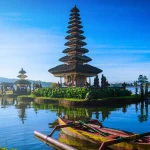
Floating Temple Pura Ulun Danu Beratan

Ambience: Dreamy and ethereal, like a “Ghibli-esque” atmosphere. The temple appears to be floating on the surface of Lake Beratan, surrounded by the cool, crisp air of the Bedugul highlands and often framed by fog.

Uniqueness: A “water temple” dedicated to the goddess Danu, queen of the lakes and rivers. It is featured on the 50,000 IDR banknote.

Location: Candikuning, Baturiti, Tabanan Regency.

Best Time to Visit: 7:00 AM – 9:00 AM (before the fog rolls in too thick and the tour buses arrive).

Season Recommended: April to October.

Pro Tip: Rent a small traditional boat (jukung) to paddle out onto the lake. It allows you to photograph the temple from the water, which is the best angle to see the “floating” effect. Bring a light jacket, as the temple is located high in the mountains.

This iconic temple sits on the shores of Lake Beratan in the Bedugul highlands. At high tide, it appears to float on the water’s surface.

8. Lempuyang Temple

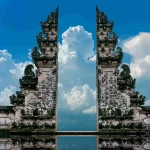
The Iconic Gates of Heaven at Lempuyang Temple

Ambience: High-altitude and spiritual. The “Gates of Heaven” frame the massive volcano, Mount Agung, in the distance, creating a feeling of standing at the edge of the world.

Uniqueness: One of the oldest and most highly regarded temples in Bali. The white stone split-gate is its most iconic feature.

Location: Jl. Pura Telaga Mas Lempuyang, Karangasem.

Best Time to Visit: Before sunrise (5:30 AM – 6:00 AM).

Season Recommended: Dry Season (for clear views of Mount Agung).

Pro Tip: There is a long queue for the famous “gate photo”. Expect to wait 2–3 hours. If you aren’t interested in the photo, you can skip the line and explore the other six temples on the mountain for a much more peaceful experience.

Your Sanctuary in the Valley

2-Terrace Villa bedroom

If you plan to visit the height of the sun or the heart of the rains, Viceroy Bali can be your choice, as it can serve as your private window into the soul of the island. After a day of temple hopping and beach sunning, retreat to the “Valley of the Kings” for a signature treatment at Lembah Spa or a world-class degustation at Apéritif.

Viceroy Bali is a five-star luxury resort in Ubud, Bali, offering an effortless blend of traditional Balinese charm and modern sophistication.The best time to visit Bali is whenever you are ready to be moved by it. Book your stay.

Frequently Asked Questions

What is the absolute best month to visit Bali temples? 

While Bali is a year-round destination, May, June, and September are often considered the best months. You’ll enjoy the clear skies of the dry season but avoid the peak crowds of July and August, making it easier to photograph iconic gates without long waits.

Do I need to wear specific clothing to visit temples in Bali? 

Yes. Both men and women are required to wear a sarong and a waist sash. Most major temples like Besakih or Tanah Lot provide these for a small rental fee at the entrance, but staying at Viceroy Bali means our concierge can provide you with your own traditional attire for a more authentic experience.

Can I visit temples during the wet season? 

Absolutely. The “secret season” (November to March) offers a misty, ethereal quality to mountain temples like Pura Ulun Danu. Just plan your visits for the morning, as tropical rains typically occur in the mid-afternoon.

How far are these temples from Viceroy Bali? 

Many spiritual landmarks, including Tirta Empul and Goa Gajah, are within a 15–20-minute drive from our resort. For further sites like Uluwatu or Lempuyang, our private car service provides a seamless, air-conditioned journey with a professional driver-guide.

Is there an entry fee for Bali temples? 

Yes, most temples have a small entrance fee (usually between 30,000 and 75,000 IDR) which goes toward the maintenance of these sacred sites. We recommend carrying small denominations of local currency (IDR) for these fees and traditional offerings.

Best Steakhouses in Bali

Best Steakhouses in Bali

This guide highlights the 7 best steakhouses in Bali.

Bali does not offer one steak style. Different steakhouses focus on different aspects, like fire cooking, ingredient sourcing, and atmosphere.

We have handpicked these spaces based on diners’ reviews and our experience. By the end, you will have an idea of which steakhouse suits the kind of experience you are planning.

Two customers being served wine and steak meals at Blossom Steakhouse in Bali
  1. Blossom Steakhouse

Location: Inside Icon Bali Mall in Sanur. It is a short walk from the Sanur beachfront promenade.

Cooking Method: Charcoal-grilled cooking. The burning charcoal imparts a consistent, classic, deep smoky flavour to the meat. It creates a deep, caramelised crust on the steak’s exterior. The inside remains moist.

Beef Type: Australian O’Connor & Stockyard Gold, Japanese Miyazaki A5 Wagyu, USDA Prime, and Indonesian Wagyu.

Menu: The menu offers dry-aged steaks and fresh seafood. Seafood options include lobster and snapper. The menu also includes sides, salads, and desserts. The drinks menu includes cocktails, spirits, and a wide range of wines.

Setting: The venue is upscale. Interiors have timber brown, forest green, and soft grey tones. Large windows bring in natural light and sea breeze. Diners can see the open kitchen when they walk in. They can dine indoors, outdoors, or in private rooms.

Vibe: The atmosphere is relaxed and family-friendly. It suits celebrations and corporate dining.
Website: Blossom Steakhouse

Two steaks on a grill with rosemary garnish
  1. Batubara Wood Fire

Location: Pengosekan area of Ubud.

Cooking Method: The kitchen cooks over an open-fire grill fuelled with Indonesian coffee wood. Smoke becomes part of the cooking process. Flavours often associated with this method include coffee, chocolate, and spice. Steaks are often served medium rare.

Beef Type: The meat selection includes Angus from Scotland, Wagyu, and Bali cow (Bos sondaicus). The kitchen also uses grass-fed beef and free-range pork. Chefs use fresh and seasonal produce.

Menu: The menu has meats and seafood. Sides and vegetables are cooked over the same fire as meat. The cooking follows Mediterranean and Argentinian styles. The wine list includes bottles from Italy, France, Spain, Australia, Argentina, Chile, Mendoza, and Austria.

Setting: The space feels rustic and inviting. Wood elements feature throughout the restaurant.

Vibe: Calm and intimate. Suited for slow dinners and conversation.
Instagram: Batubara Wood Fire

A steak and glass of red wine from Bali's Saltlick
  1. Saltlick

Location: Seminyak. The steakhouse sits above Seminyak Beach. 

Cooking Method: Steaks are cooked over a live wood fire. This method imparts a complex, smoky, woody, and often bacon-like flavour profile with hints of sweetness or vanilla. The crust is deeply savoury, and the interior is tender.

Beef Type: Saltlick uses Black Angus beef. The beef is never frozen. It is dry-aged on the bone in-house.

Menu: The food menu focuses on refined, globally-inspired dishes with local twists. It includes house-made charcuterie, sides, and desserts. The drinks menu has cocktails and a wide range of wines.

Setting: The restaurant is refined, not overly formal. The interiors feature dark wood and marble with elegant leather booths. Guests get ocean views from large windows. 

Vibe: Calm. The space is good for sunset dinners and special occasions. 
Instagram: Saltlick

Pork ribs and garnishes from Naughty Nuri's Warung in Bali
  1. Naughty Nuri’s Warung

Location: Seminyak.

Cooking Method: The fall-off-the-bone BBQ pork ribs are marinated in Balinese spices and cooked over a flaming charcoal grill. The food picks up a smoky taste. At the end, the steak is brushed with a sweet soy glaze. The glaze caramelises on the surface and gives it a sticky finish.

Beef Type: The focus is on pork rather than beef. Some burger options use Wagyu.

Menu: The food menu includes fries, Volcano Potatoes, burgers, and shared snacks. Large shareable cocktails and strong twisted martinis are a big part of the drinks menu.

Setting: The setting is communal and casual. The space has an open-air layout. Tables are close together. Music is part of the experience.

Vibe: Lively and energetic. The staff perform a signature dance with music when serving their famous martinis or other cocktails. 
Website: Naughty Nuri’s Warung Seminyak

A main meal from Fuego, a steak restaurant in Bali
  1. Fuego

Location: Pererenan.

Cooking Method: Food is slowly cooked over a wood fire in an open setting, as per the Argentinian asado traditions. The steak picks up a light fire taste. The outside is charred, and the inside stays juicy.

Beef Type: Fuego in Bali sources Wagyu and Angus beef.

Menu: The food menu has grilled meats, seafood and vegetables. The food is inspired by Latin American and Mediterranean styles. Some ingredients come from the restaurant’s garden. The drinks menu has Tiki cocktails, with tropical and rum-based options.

Setting: The restaurant has an open-air layout with a garden. Music and stylish tropical décor frame the atmosphere.

Vibe: Latin-inspired and social. Casual seating and a lively crowd. Perfect for romantic dinners, family gatherings, and hosting events.
Instagram: Fuego

A piece of steak served on a slab of wood with gravy on the side
  1. The Meat Emporium

Location: Kerobokan

Cooking Method: The chefs cook quickly over high heat (above 300°F/150°C). This method imparts savoury, roasted, and nutty notes. The steak’s exterior is crusty brown. The inside stays tender and juicy; the melting fats add richness.

Beef Type: Key types are Wagyu and Black Angus, sourced from Australia. They also offer Australian lamb.

Menu: Guests choose cuts from the butcher display, including ribeye and Wagyu, and the kitchen grills them to order. The menu also includes homemade sausages, lamb, pies, and simple sides. Some locations allow guests to buy meat to cook at home.

Setting: The space combines a butcher shop and casual dining area. Guests dine in an open space.

Vibe: Casual and family-friendly. 
Instagram: The Meat Emporium

A t bone steak on a grill from a steakhouse in Bali
  1. Aged + Butchered – Bali

Location: Canggu

Cooking Method: Dry-aged and wet-aged beef are grilled over coffee wood charcoal for that extra smoky flavour. Some dishes are cooked at the table in a Japanese yakiniku-style format. It is a DIY Japanese barbecue.

Beef Type: The steakhouse sources Japanese Black Wagyu, Australian Wagyu, and USDA Prime.

Menu: The menu features a wide range of steak cuts. It also includes marrow dishes, Wagyu, and classic steakhouse sides. The drinks menu includes handcrafted cocktails, wine, sake, and a large whisky selection.

Setting: The venue is stylish and sophisticated with warm lighting. It has a refined yet rustic interior with modern touches.

Vibe: Intimate. People tend to stay and talk longer over dinner.
Website: Aged + Butchered – Bali

Best Fine Dining in Bali

Best Fine Dining in Bali

This guide features 8 of the Best Fine Dining in Bali Restaurants.

We selected these venues based on diner reviews and first-hand experience.

The guide offers a clear overview of each restaurant to help you choose the fine-dining experiences that suit your visit to Bali.

Apéritif Restaurant, a fine dining restaurant in Bali
Apéritif Restaurant, a fine dining restaurant in Ubud
  1. Apéritif Restaurant

Location: Ubud

Speciality: Apéritif Restaurant is a fine dining restaurant located in Ubud. The kitchen combines Indonesian ingredients with international flavours and uses classical European cooking techniques. 

Food and Drinks: Lunch and dinner begin with pre-meal drinks and canapés. The restaurant serves five- and seven-course degustation menus. The team also prepares dedicated vegetarian and vegan menus. The restaurant maintains a large wine list.

Atmosphere and Ambience: The interiors follow a 1920s colonial style. The dining room uses a black-and-white colour palette with chandeliers and period artwork. Guests dine in the main dining room, at the Chef’s Table, or enjoy a private dinner.

Notable Mention: The restaurant has received numerous culinary awards over the years.

Interesting Trivia: The restaurant occasionally collaborates with Michelin-star chefs like Chef Guillaume Galliot to host dining events.
Website: https://www.aperitif.com/

OPIA restaurant in Jimbaran, Bali
OPIA, Jimbaran
  1. OPIA

Location: Jimbaran

Speciality: OPIA serves Asian-inspired fusion cuisine. The menu includes vegetables prepared using Chinese, Thai, and Indonesian styles.

Food and Drinks: Chefs use seasonal ingredients sourced from local suppliers. The menu changes every day based on ingredients available at the market. It has desserts, small plates, seafood, mushrooms, and vegetables. The drinks menu covers artisanal cocktails, classic mixed drinks, beer, wine, and champagne. 

Atmosphere and Ambience: The restaurant is located on a limestone hill overlooking Jimbaran Bay. Seating includes indoor and outdoor areas. The décor is modern with subtle Balinese elements. Some evenings include live music. The venue also hosts private events and group dining.

Interesting Trivia: OPIA has a small, unassuming entrance that opens into a stunning environment you would not expect from the outside.

Website: OPIA

The interior of Locavore NXT
Locavore NXT
  1. Locavore NXT

Location: Ubud

Speciality: Locavore NXT is an eco-friendly fine-dining restaurant. It sources ingredients locally and limits waste.

Food and Drinks: The menu features Indonesian meals prepared through modern techniques. Dishes rely heavily on local produce and fermentation. Many courses avoid dairy and wheat-based ingredients. Vegetarian and vegan menus are available.

Atmosphere and Ambience: The dining space feels modern and open. Large windows face surrounding rice fields. An open kitchen sits at the centre of the restaurant and anchors the room.

Notable Mention: Locavore NXT received the Sustainable Restaurant Award 2025. It ranks No. 94 on Asia’s 50 Best Restaurants extended list.

Interesting Trivia: The restaurant does not import anything. The plates and furniture, too, are made locally.
Instagram: Locavore NXT

The view from the dining area of Starfish Bloo, Bali
Starfish Bloo, Seminyak
  1. Starfish Bloo

Location: Seminyak

Speciality: Starfish Bloo offers oceanfront, fresh seafood dining with jaw-dropping sunset views. Their Sunday brunch is famous. It is a culinary event featuring live cooking stations and live entertainment.

Food and Drinks: The menu includes Asian and international dishes and signature drinks. The chefs use fresh seafood from the Indian Ocean, vegetables from the restaurant’s garden and local ingredients. The restaurant also offers a plant-based menu built around low-waste cooking. 

Atmosphere and Ambience: The restaurant is right on Seminyak Beach. The interiors use natural materials and design elements from the coast. The dining area has crescent-shaped sofas and tables with coastal touches. The high ceiling and big fish baskets make the space feel big.
Website: Starfish Bloo

The Cave Restaurant in Bali
The Cave, Uluwatu, Bali
  1. The Cave

Location: Uluwatu

Speciality: The restaurant is one of Bali’s few inside-the-cave dining experiences.

Food and Drinks: The kitchen serves seven- or ten-course tasting menus. The team modifies the menu once every three months to introduce seasonal ingredients.

Atmosphere and Ambience: The space feels intimate and stylish. Lighting illuminates the cave walls between courses. The team pauses service during scheduled light shows. Guests can wear helmets and lights to explore deeper parts of the cave. This option makes the dining experience more interactive. 

Notable Mention: Tripadvisor gave the restaurant a Travellers’ Choice Award in 2024.

Interesting Trivia: The cave system dates back thousands of years. It has stayed largely untouched.

Website: The Cave

The exterior area of Cuca Restaurant in Bali
Cuca Restaurant
  1. Cuca

Location: Jimbaran

Speciality: Cuca is known for its inventive, globally inspired tapas made with Indonesian ingredients. The kitchen uses only local ingredients and applies fine-dining techniques to sharing plates.

Food and Drinks: The menu majorly features tapas, cocktails, and desserts. It also includes vegetarian dishes, children’s options, and lunch specials. Groups can order the Chef’s Tasting Meal. It brings together a selection of signature tapas, desserts, and house-made drinks known as Cuca Brews.

Atmosphere and Ambience: The restaurant exudes a relaxed vibe. Guests choose between the Dining Room, the Garden Lounge, and the Cocktail Bar. They also have a private dining room for events.

Notable Mention: Cuca appears in Tatler’s 2025 Best Restaurants in Indonesia and Tripadvisor’s 2024 Best of the Best list.
Instagram: ​Cuca

The dining area of Akar in Ubud.
Akar Restaurant
  1. Akar

Location: Ubud

Speciality: Akar is located in a jungle. It is serene during the day. The space turns vibrant after sunset.

Food and Drinks: The kitchen follows traditional Indonesian cooking techniques. The menu includes charcoal-grilled meats, seafood, and vegetables. The staff sources the produce from the restaurant’s garden and from local farmers.

Atmosphere and Ambience: A domed Balinese bamboo roof shapes the dining space. An open kitchen is at the centre of the restaurant. In the evening, the team stages an immersive laser show along with live DJs and dancers. This spectacle makes the dining experience theatrical.

Notable Mention: The restaurant received the Exquisite Awards 2025 for Best Premium Dining.
Instagram: Akar

The exterior dining area of Kayuputi in Nusa Dua
Kayuputi, Nusa Dua
  1. Kayuputi

Location: Nusa Dua

Speciality: Kayuputi is popular for Pan-Asian fine dining. 

Food and Drinks: The restaurant is famous for its lavish weekend brunches with gourmet selections, seafood, and fine wines. The chefs use fresh local seafood, caviar, oysters, and imported meats like Australian Wagyu. The menu features an outstanding wine list and expertly crafted cocktails.

Atmosphere and Ambience: The restaurant sits along Nusa Dua Beach at The St. Regis Bali Resort. The space uses an all-white interior with Balinese accents. Guests can sit near the open kitchen, by large windows facing the ocean, or outdoors near the shoreline.

Notable Mention: Kayuputi earned its 16th consecutive Best Award of Excellence from Wine Spectator in 2025. 
Instagram: Kayuputi

Is Bali Safe?

Is Bali Safe?

Yes, Bali is safe for all kinds of travellers – families, couples, solo travellers, and LGBTQ+ people. Both in the daytime and at night.

It is one of the most celebrated islands in Southeast Asia. It attracts millions of travellers each year. For most, the experience is smooth and worry-free. 

Indonesia has one of the lowest crime rates globally and locals are known for their friendly and welcoming demeanour.

That said, safety questions are natural. These issues are negligible. You can manage them with awareness and basic safety precautions.

This guide explains the safety concerns in Bali and the practical steps you can take to avoid them so you can enjoy your trip. 

Transport Safety in Bali 

Scooters are the most common way to get around Bali. But they carry a high risk of accidents, especially for tourists without experience.

Roads in Bali are usually steep, narrow, and crowded. Surfaces can be uneven or sandy. Cars, trucks, and motorbikes all compete for space. Many drivers ignore traffic rules.

Ride-hailing apps and taxis are the safest option for tourists.

How to Stay Safe:

  • Do not ride a scooter unless you have experience.
  • Always wear a sturdy helmet and shoes.
  • Avoid driving after drinking or late at night.
  • Be careful on wet or sandy roads.
  • Only ride a scooter in Bali if you have a licence and you are insured.
  • Use taxis or ride-hailing apps such as Grab or Go-jek.
A man holding his stomach experiencing Bali belly

Health Safety in Bali

Food Safety 

Although the quality of Bali’s food has improved greatly in recent years, some travellers experience ‘Bali belly’. It is a stomach upset caused by bacteria or viruses in food and water. Symptoms include diarrhoea, cramps, and nausea. Most cases are mild but can spoil a trip.

How to Stay Safe:

  • Eat at busy restaurants; the food turnover is high.
  • Avoid undercooked meat or seafood.
  • Wash or peel fruits before eating.
  • Start with mild dishes if you have a sensitive stomach.

Water Safety 

Tap water in Bali is not safe to drink. It can contain bacteria that cause stomach illness. Even brushing teeth with tap water may trigger problems for travellers.

How to Stay Safe:

  • Drink bottled or filtered water.
  • Use bottled water for brushing teeth.
  • Avoid ice from street vendors. Use ice that is served in hotels or reputable restaurants.
  • Carry a refillable bottle and use hotel water dispensers when available.

Mosquito-Borne Illnesses in Bali 

Bali is considered a ‘low-to-no risk’ destination for malaria. But mosquito-borne diseases like dengue fever, chikungunya, and Japanese encephalitis are present. Dengue is the most common. Its cases rise in the rainy season. These illnesses are rarely fatal. But they can cause high fever, body pain, and days in the hospital.

Its cases rise in the rainy season, so timing your visit matters — October, for instance, sits at the tail end of the dry season, when mosquito activity is still relatively low before the rains arrive in earnest.

How to Stay Safe:

  • Apply insect repellent during the day and evening.
  • Wear long sleeves and trousers in green or rural areas.
  • Sleep in rooms with screens or air conditioning.
  • Use mosquito nets in remote stays.
  • Empty standing water around villas to reduce breeding sites.

Alcohol Safety 

Alcohol is widely available in Bali. Local beers like Bintang are safe. There is a small risk of counterfeit or contaminated spirits, especially arak. In some cases, it has contained methanol. Methanol poisoning causes severe illness or death.

How to Stay Safe:

  • Order alcohol only at reputable bars, hotels, and restaurants.
  • Avoid suspiciously cheap cocktails or unlabelled spirits.
  • Buy sealed bottles from supermarkets or duty-free shops if you want to drink at your villa.
Two tourists riding a scooter in Bali

Scams in Bali

Money, ATMs and Currency Exchange Safety 

Petty money risks in Bali usually come from ATMs and currency exchange.

Some standalone ATMs on the street can be unsafe. Criminals can fix fake parts or small cameras to steal details of your card.

Small streetside kiosks that advertise attractive exchange rates may cheat you. They may offer higher rates, but then give less cash by using quick tricks with the notes.

How to Stay Safe:

  • Use ATMs in banks, malls, or trustworthy spaces.
  • Check the card slot and keypad before use.
  • Cover your PIN when entering it.
  • Exchange money only at authorised counters in the office.
  • Count your cash before leaving.
  • Carry only the cash you need for the day.

Transport Scam 

In some cases, visitors who hire taxis, scooters, or private drivers are the targets of transport scams.

Drivers sometimes charge more than they should, ask for payment up front, and take shoppers’ stops where they can earn commissions. Some drivers also lie about their meter being broken or overcharge non-riders.

How to Stay Safe:

  • Use Grab or Gojek for short rides if you can.
  • Agree on the fare before you get in a private taxi.
  • Pay when the ride is over. 
  • If using a meter taxi, check that the meter runs from zero.
  • Book drivers through your hotel or a trusted operator.

Timeshare Scam

People in tourist areas like Kuta, Legian, and Nusa Dua may come up to you and offer you free vacations, scratch cards, or chances to win prizes. These are lures. They lead to timeshare sales events where employees pressure you to sign expensive contracts that often have hidden fees and long-term commitments.

How to Stay Safe:

  • Decline people who offer free prize or scratch cards.
  • Do not share personal or payment details.
  • Book holidays only through trusted hotels or travel companies.

Rental Scam

Some fake villa listings in Bali trick tourists. Scammers take deposits, copy pictures of real homes, and then leave.

How to Stay Safe:

  • Use known agencies or trusted platforms to book properties.
  • Look at the most recent reviews.
  • Stay away from listings that look cheaper than similar options.

Visa Scam

The main risk is dealing with fake or unlicensed agents. Some take money and disappear or charge hidden fees.

How to Stay Safe:

  • Use only well-known visa agencies with favourable reviews.
  • Check fees across agencies. Avoid offers that are far cheaper than others.

Petrol Scam 

Some tourists on scooters report fuel scams in Bali. At some stations, attendants may give less petrol than paid for or fail to reset the pump meter. Roadside vendors often sell petrol in bottles, which can be diluted and sold at inflated prices.

How to Stay Safe:

  • Purchase fuel at official Pertamina stations. They are Indonesia’s state-owned fuel provider.
  • Ensure the pump meter is reset to zero.
  • Pay with small notes to avoid confusion.
  • Do not buy petrol in bottles from roadside shops.

Hiking Scam

On some popular trails, like Mount Batur and Sekumpul Waterfall, some local guides pressure travellers to hire them. 

These groups often claim the route is unsafe or confusing without their help. In some cases, they can be pushy or intimidating.

How to Stay Safe:

  • Research your hike in advance. Many routes are straightforward. They do not require a guide.
  • If you want a guide, book through your hotel or a trusted operator.
  • If approached at the site, stay calm and decline politely.
  • Go early in the day, when fewer touts are present.

Tour and Guide Scam

Unofficial guides and operators in some tourist areas charge hidden or inflated fees. The other common issues are guides who first say their service is free but later ask for money, people pretending to charge entry fees, and pressure to give donations at temples.

How to Stay Safe:

  • Book tours with reputable companies or directly through your hotel of stay.
  • Pay for admission at the official ticket booth. Do not give money to anyone who asks for it outside the entrance.
  • Set guide fees ahead of time.
  • Remember that donations at temples are not mandatory.

Read reviews before booking tours online.

Safety From Natural Disasters in Bali

Bali sits on the Pacific Ring of Fire, which is a tectonic belt of volcanoes and earthquakes. 

Bali has two active volcanoes, Mount Agung and Mount Batur. Eruptions are rare. These volcanoes are located far from the main tourist areas in Bali. Authorities monitor them for seismic activity, and some people even trek to them. 

Bali often has tremors that range from small shakes to occasional stronger quakes.

How to Stay Safe:

  • Check official alerts before hiking volcanoes.
  • Follow local instructions during any eruption or quake.
A mother and baby monkey in Bali

Safety From Animals in Bali 

Monkeys at temples and forests often snatch food or belongings. They can scratch or bite if they feel intimidated or provoked, which risks infection.

Stray dogs in Bali are common; some of them carry rabies. A single untreated bite can be fatal.

Bali has around 50 species of land snakes. Only a handful of them are dangerous to humans. They can be active both day and night. As natural habitats shrink, snakes sometimes enter gardens or houses in rural areas. They will bite if scared or hurt.

How to Stay Safe:

  • Refrain from feeding or teasing animals.
  • Hold on to your belongings when around monkeys.
  • Wear shoes when you walk in rural areas.
  • Use a flashlight at night.

Crime in Bali

Shootings and Murders

Guns are controlled in Indonesia. Shootings are uncommon. Indonesia’s Central Statistics Agency data shows very few firearm-related crimes in Bali in recent years. Indonesia’s homicide rate was 0.4 per 100,000 people as of 2017, which is well below the global average.

Most visitors find the island calm. Locals are known for their friendliness.

Petty Theft 

Petty theft is the most common crime in Bali. Incidents often involve motorbike snatchers targeting phones or handbags. Pickpocketing can also happen in crowded bars or restaurants.

How to Stay Safe:

  • Let your phones and bags be on the inner side of the road.
  • Do not leave valuables unattended.
  • Carry only a small amount of cash.
  • Avoid wearing expensive jewellery.

Sexual Assault and Harassment

Travel advisories report cases of sexual assault and harassment in Bali and nearby islands. Most incidents occur in dark places or after drinks are spiked at bars.

Indonesia also reports cases of child abuse. Authorities and NGOs are working to reduce this concern.

How to Stay Safe:

  • Only get in a taxi that is licensed, like Bluebird, or book one through the Grab or Gojek apps.
  • Make sure that the driver matches the information in the app.
  • Share your ride details with a friend when possible.
  • Avoid walking alone in the dark.

Drink Spiking

Authorities report cases of drink spiking in Bali, Lombok, and the Gili Islands. Victims have woken up robbed or assaulted after a night out. Most cases happen in crowded bars or party areas.

How to Stay Safe:

  • Watch your drinks being prepared; do not leave them unattended.
  • Do not accept drinks from strangers.
  • Stick to well-known bars and clubs.
  • Be cautious with cheap alcohol deals.

Terrorism in Bali 

There have been no incidents of Terrorism in Bali in recent years. Bali experienced terrorist bombings in Kuta in 2002 and 2005. Since then, internal security has improved greatly. The Indonesian government monitors threats closely. The overall risk for visitors is extremely low.

Best Sunrise Locations in Bali

Best Sunrise Locations in Bali

This guide gives an overview of the 10 best sunrise locations in Bali and explains what makes each one distinct. 

You will find a unique sunrise experience for every spot alongside its location, distance from a couple of prominent tourist spots, and a tip to plan your visit. 

By the end of this guide, you can pick the sunrise spot that best matches your travel style, time, and comfort. 

If you have tried all of Bali’s top sunset locations, it’s time to see Bali in a different light – at the glow of dawn, when Bali feels reborn.

The view from Viceroy Bali resort

Valley of the Kings Ridge at Viceroy Bali

Location: Ubud. Overlooks the Petanu River Valley.

Why Visit:

  • From Viceroy Bali, you get stunning views of the Valley of the Kings below – lush jungle and Ubud’s mountain. This view is unique to this spot. 
  • At sunrise, soft light filters across the jungle canopy and mist lingers in the valley. You hear forest sounds, the river below, and morning birdsong.
  • The ridge is private. You watch the sunrise without crowds.
  • Unlike crowded or strenuous sunrise spots, here you experience sunrise in a relaxed and accessible way, directly from the resort grounds.

Tip: Carry a light shawl or jacket as mornings on the ridge can feel cool before the sun rises.

Sunrise at Batu Balong Beach

Batu Bolong Beach

Location: Canggu, South Bali. Around 20–30 minutes from Seminyak, 1.5–2 hours from Ubud.

Why Visit:

  • The beach faces west. You will not see the sun rise from the horizon. The morning sky glows instead and reflects off the water. This reflection gives soft light for photos.
  • Early hours are calm, with gentle, rolling waves. Surfers paddle out at this time.
  • The long stretch of sand is good for a quiet jog or walk.
  • Batu Bolong Temple, on a rock outcrop, stands out against the glowing sky.

Tip: Come early if you want the beach to yourself before the surf schools and crowds arrive.

A couple watching the sunrise on Mount agung

Mount Agung 

Location: Karangasem Regency, East Bali. Around 1.5 hours from Ubud and 2-2.5 hours from Seminyak.

Why Visit:

  • You stand on Bali’s highest point. At sunrise, you see the first light spilling over the whole island below. This panoramic view of Bali is unique to Mount Agung. The first light breaking at the summit feels dramatic and earned.

  • Fewer people attempt this climb. So, the sunrise often feels quiet and almost private at the summit.
  • The trail passes small villages before the climb, adding a glimpse of Balinese life to the journey.

Tip: Start before midnight. Attempt this hike only with an experienced guide.

A sunrise in Bali over Sanur's beach

Sanur Beach

Location: East of Denpasar. Around 45–60 minutes from Ubud and 30–40 minutes from Seminyak.

Why Visit:

  • You get a clear view of the sun rising from the horizon. 
  • Sanur’s water is shallow and calm at sunrise. It reflects the sky. Your photos capture the horizon and its mirror image.
  • At dawn, most boats are anchored or returning near the shoreline. Fishermen prepare their nets as part of the morning routine. The promenade becomes a community scene with boats in the backdrop.

Tip: Head to the cafés along the Sanur promenade. Many open early for coffee and breakfast after sunrise.

Amed beach and ocean with the mountain in the background

Amed Beach

Location: East Bali. Around 2.5–3 hours from Ubud, 3–3.5 hours from Seminyak.

Why Visit:

  • The beach’s black volcanic sand creates a striking contrast with the sunrise light. Photos here look different from Bali’s white-sand beaches.
  • Boats head out to sea at first light. The sunrise is tied to the fishermen’s departure. The sight feels active and village-centric.
  • When the water is calm and clear, you can spot coral shallows close to shore. This detail is not found along every coast in Bali.

Tip: For the best view, head to the Lahangan Sweet Viewpoint. It offers panoramic views of Mount Agung, the sunrise, and the sea.

A woman standing on Mount Batur with the sun peaking over the mountain

Mount Batur 

Location: Kintamani, Bangli Regency. Around 2 hours from Ubud and 2.5–3 hours from Seminyak.

Why Visit:

  • You stand above Lake Batur with Mount Agung in the background. This water and volcano backdrop is photogenic and unique to this summit.
  • You may also see Mount Abang nearby and Mount Rinjani on Lombok. These bonus views are rewarding.
  • The sky turns orange, pink, and purple as the sun peeps over the mountains.
  • Local guides commonly prepare eggs and coffee for tourists using the volcano’s natural, clean, and safe steam vents. 

Tip: Start from Ubud around 2–3 AM to reach the summit in time.

Tegallalang Rice Terraces at Sunrise

Tegallalang Rice Terraces

Location: Ubud. Around 20–30 minutes north of central Ubud by car or bike.

Why Visit:

  • The low and golden morning light, along with the drifting mist, does not make the layers glaringly bright green. Instead, the terraces appear layered. It is one of the best times for photos of the terraces.
  • At sunrise, the paths are almost empty. You can explore the terraces in silence before tour buses arrive.
  • At sunrise, farmers begin work in the terraces. Watching the fields come alive with light and activity connects the scenery to daily life.

Tip: Wear good shoes because the paths can be wet with morning dew. 

Nusa Dua beach

Nusa Dua Beach

Location: South Bali. Around 1.5–2 hours from Ubud, 45–60 minutes from Seminyak.

Why Visit:

  • White sand and calm water frame the sunrise. The beach gets a more polished feel than Bali’s surf beaches. You can enjoy the sunrise right at the shoreline.
  • The sunrise feels private and safe, without crowds or beach hawkers, as the beach is resort-front and maintained.
  • Joggers pass by, fishermen work in the distance, and the long beach is open for a quiet walk.

Tip: Many beachfront resorts open early for breakfast. You can have coffee or a light meal soon after sunrise.

Candidasa Beach

Location: East Bali. Around 1.5–2 hours from both Ubud and Seminyak.

Why Visit:

  • The Candi Dasa Lagoon near the beach is covered in pink and fuchsia lotuses at dawn. Their petals stand out against the still water, creating a colourful sight. It is a quiet spot for photos or a short walk.
  • Mount Agung is visible in the background on clear days.
  • The beach suits travellers who prefer a slower start to the day.
  • The water here is calm. You can sit close to the shoreline.

Tip: Candidasa Temple, atop a hill opposite the lagoon, offers a clear viewpoint of the lagoon and the coast

The sunrise over the water in Candidasa, Bali

Lempuyang Temple

Location: East Bali, Karangasem Regency. Around 2 hours from Ubud and 2.5 to 3 hours from Seminyak.

Why Visit:

  • The split gateway known as the Gates of Heaven frames Mount Agung in the distance. At sunrise, the mountain glows with the first light between the gates.
  • At sunrise, the air is clearer than later in the day. Mount Agung is easier to see. The volcano is Bali’s highest and most sacred. Its outline between the gates is a dramatic sight.
  • The quiet at dawn makes the temple atmosphere more solemn than later, when it gets crowded.

Tip: Please wear a sarong and dress respectfully.

An aerial view of viceroy Bali resort in Asia

Reserve Your Private Luxury Stay at Viceroy Bali

You can reach all of the above-mentioned sunrise spots from Viceroy Bali.

This luxury resort ensures unobstructed jungle and valley views. Each of its 40 Ubud villas features a heated infinity pool, offering utmost luxury and privacy.

The resort’s warm hospitality, refined dining, and Balinese character make it stand out. Book your stay at Viceroy Bali.

Galungan and Kuningan in Bali

Galungan and Kuningan in Bali

Galungan and Kuningan are two of Bali’s most sacred festivals. Galungan marks the triumph of dharma (good) over adharma (evil), and the return of ancestral spirits to bless the family. Kuningan, ten days later, marks their return to the spirit world.

If you are planning a trip to Bali, this period is a special time to visit. Whether or not you are drawn to spiritual traditions or local customs, these festivals give a rare, authentic glimpse of the local culture that most itineraries usually do not mention.

This guide gives you a vivid picture of Galungan and Kuningan in Bali. You will read about how Balinese celebrate, and how you can experience these festivities respectfully. You will not find this level of detail in most travel guides.

Galungan and Kuningan Dates in 2026

In 2026, Galungan and Kuningan will be celebrated once according to the 210-day Balinese Pawukon calendar.

  • Galungan starts on Wednesday, 17th June 2026
  • Kuningan falls on Saturday, 27th June 2026, marking the end of the 10 day celebration.

The Bali Provincial Government officially recognises these dates.

Decorations for Galungan

How Bali Prepares for Galungan

The days before Galungan are filled with rituals, preparations, and family traditions. In Balinese homes, preparations begin three days in advance. Each day has a specific name, purpose, and set of rituals.

Three Days Before: Penyekeban

On this day, families start ripening bananas at home. The name Penyekeban comes from nyekeb, which means to cover or enclose. It is a quiet day; people pause their usual routines and begin preparing their homes and minds for Galungan.

Two Days Before: Penyajahan

Families prepare traditional cakes and sweets. They prepare these dishes from rice flour, coconut, and palm sugar. These treats will later become part of the offerings. Kitchens stay busy. Women work together in groups. The air smells sweet and earthy.

One Day Before: Penampahan

Penampahan is the most intense day of preparation. Families cook lawar and prepare babi guling. Some households make small animal sacrifices. Locals believe this tradition cleanses the space before welcoming ancestral spirits.

By evening, the streets are quieter. Families have finished shopping. Homes are clean. Offerings are ready. 

Villagers line the streets with tall bamboo poles called penjor. They decorate them with coconut leaves, rice, and small ornaments. The island shifts from daily activity to spiritual focus.

Note: Kuningan does not have formal preparation days. Most families prepare offerings the night before and complete ceremonies by midday.

What Happens During Galungan and Kuningan in Bali

Morning Rituals at Home

Rituals begin before sunrise and wrap up before noon.

Families bathe, dress, and begin the day with prayer at home shrines and family temples. The prayers are personal and unhurried. Parents light incense and recite blessings. Children help place offerings.

Women wear lace kebaya with colourful sashes. Men wear white shirts with sarongs and udeng headscarves.

Balinese women attending a ceremony with offerings for Galungan

Offerings During Galungan

Families prepare small arrangements called canang sari. These sit in woven palm-leaf trays, filled with flowers, betel leaves, rice, coins, incense — and sometimes even crackers.

Locals choose each item intentionally. They offer betel leaves to Brahma, place flowers for Vishnu, and include incense to honour Shiva.

They add rice to symbolise daily nourishment. Many now include candy or crackers, especially when children help prepare the offerings.

Locals place offerings with reverence to the Trimurti — Brahma the creator, Vishnu the preserver, and Shiva the transformer.

They place these offerings at doorsteps, roadside altars, home shrines, and family temples. 

People move slowly. They speak softly. They often walk barefoot. The act of offering is not rushed.

Traditional Foods and Family Gatherings

After morning rituals, families share a special meal. Galungan is one of the few times extended families come together across generations.

Meals include:

  • Lawar — a mix of minced meat, coconut, and spices.
  • Babi Guling (roast pork).
  • Urab — a mix of vegetables and grated coconut.

Locals make these meals at home and serve them on banana leaves. They sit together on the floor mat, sharing food as a blessing and a celebration.

Barong costume

Village Customs

Penjor is the most visible sign that Galungan has begun.

Women walk with baskets of offerings on their heads. Temples sound their gongs, bells, and mantras. 

In some villages, the Barong appears. It is a lion-like figure that represents a guardian spirit. Dancers and musicians lead it from house to house to ward off negativity and restore balance. 

Children follow behind. Some laugh. Others watch quietly, unsure whether to be scared or amazed.

Not every village keeps this tradition. But where it happens, it adds a burst of colour and movement to an otherwise quiet day.

The day after Galungan is called Manis Galungan. Families reserve this day for temple visits and relaxed gatherings. It is quieter; it is a day for reconnecting with roots.

Kuningan: The Closing Ceremony

Kuningan quietly marks the end of the festival cycle. The offerings shift in atmosphere and colour. 

The mood feels quiet and reflective. 

Yellow becomes the dominant shade. ‘Kuning’ means yellow in Bahasa Indonesia. 

The colour symbolises purity, prosperity, and farewell. It reflects a hope for protection and blessings as ancestral spirits bid farewell to humans.

Yellow is seen in the rice (nasi kuning), the flowers, the coconut-leaf decorations, and in the clothes people wear.

Locals place tamiang at shrines — round, shield-like decorations made from coconut leaves. These symbols represent protection and spiritual closure.

Kuningan is not just a farewell to the spirits. It is a gentle reminder that every homecoming is followed by release.

A traditional Balinese Galungan decoration

Are Galungan and Kuningan Public Holidays in Bali?

Yes, Galungan and Kuningan are official holidays in Bali.

Most schools close for about two weeks. Banks and government offices shut or work shorter hours.

Tourist zones like Seminyak and Canggu stay more active. But even here, the mood softens.

Balinese women walking in traditional wear

How Galungan and Kuningan Affect Travel Plans in Bali

Galungan and Kuningan will not stop your Bali trip. But they do change how things run. 

Shops and Services

Many locally run shops and family businesses close for the day. Tourist-facing restaurants and beach clubs usually stay open. Supermarkets may open late or close early.

Transport

Fewer taxis and drivers are available, especially in the mornings. Expect slower response times on ride apps. Rural roads can get crowded as families travel between temples and homes.

Temples and Tours

Some temples may be closed to non-locals during key prayer times. Cultural tours might get cancelled, shortened, or rerouted. Always check with your operator a day in advance.

Planning Trips: Avoid long road trips or activities early in the morning. Book transport or drivers ahead of time. Be flexible; some changes can happen last minute.

A Balinese couple with offerings for Galungan and Kuningan

Galungan and Kuningan Etiquette for Visitors

Dos

  • Dress modestly. Cover your shoulders and knees, especially if you are around temples or villages. Even if you are not entering a sacred space, your outfit shows respect.
  • Step aside during processions or temple activities. Give locals space. Observe them from a distance without interrupting.
  • Walk around offerings. Never step on or over them. You will see them on sidewalks, at shop entrances, and even on vehicles. 
  • Ask before taking photos of people. Many may be praying or performing rituals. They may not want to be photographed.
  • Keep your tone and body language respectful. Speak softly. Do not point your feet at people or shrines.
  • If you are allowed to watch a ritual or prayer, observe silently. Avoid using flash. Do not get too close to locals.

Don’ts

  • Avoid walking through or disrupting a ceremony, even if it is happening in a public space.
  • Offerings are sacred. Do not touch, move or photograph them without seeking permission from locals.
  • Only enter temples if you are dressed appropriately and welcomed in.
  • Avoid sacred spaces during menstruation, as per local custom and temple signage. Many temples display signs to indicate this restriction.
  • Skip loud activities like ATV rides, pool parties, or outdoor workouts near villages or temples on festival days.
  • Rituals are not performances. Observe with quiet respect, not curiosity meant for entertainment.
A tourist visiting a hotel in Bali

Experiencing Galungan and Kuningan at Viceroy Bali

At Viceroy Bali, Galungan and Kuningan are not marked with events. But you will still notice signs of the festival all around you.

Each morning, fresh offerings appear near steps, shrines, and quiet corners of the resort. Incense burns softly at entryways. From nearby temples, you may hear bells or distant chanting.

The staff wears ceremonial attire. They are happy to explain the meaning behind what you see. No lectures, just gentle context. 

Viceroy Bali gives you space to witness Balinese culture as it unfolds.

To experience this sacred time with quiet comfort, book your stay at Viceroy Bali. We will ensure your experience flows gently and meaningfully.

FAQs

  1. What are the best places to stay in Bali during Galungan and Kuningan?

You could stay in Ubud, Sidemen, or Gianyar if you want to feel the festive spirit of Galungan and Kuningan around you. Sanur is quieter but still close to tradition. Canggu and Seminyak are busier. So, the festive mood may be more muted.

  1. Do restaurants offer special menus during Galungan and Kuningan?

Some local warungs and family-run eateries may offer traditional Balinese dishes like lawar and babi guling during this time. Fine-dining restaurants usually keep regular menus, unless they are celebrating in-house with their teams.

  1. Are kids allowed to visit temples or watch ceremonies?

Yes, children are welcome. Make sure they follow basic etiquette: stay quiet, do not touch offerings, and keep a respectful distance.

  1. Is traffic worse in certain areas during Galungan and Kuningan?

Yes. Village roads and temple zones may see heavier traffic in the early mornings. Ride-hailing apps may take longer to respond. Avoid planning intercity travel or full-day excursions before noon.

  1. Are ATMs, currency exchanges, or convenience stores open during the festivals?

In Ubud or Seminyak, most ATMs and convenience stores remain open. Some may reduce hours. However, smaller money changers and family-run shops may close.

  1. Do airlines or domestic flights get busier during Galungan and Kuningan?

Yes. Many Balinese people working or studying outside the island return home. Demand for domestic flights spikes, especially from Jakarta and Surabaya. 

  1. Can I wear traditional attire as a tourist during the festivals?

Yes, but wear it respectfully. You can wear a sarong, sash, or kebaya if visiting temples. Avoid dressing up purely for photos. Ask your hotel staff for guidance. Cultural sensitivity matters more than clothing accuracy.

Valentine’s Day in Bali – Things To Do

Valentine’s Day in Bali – Things To Do

What could be more romantic than celebrating Valentine’s Day in Bali? With its idyllic beauty and colourful culture, Bali offers the perfect setting to celebrate a day of love. The island is known for its fabulous beaches and island escapes, cultural festivals, ancient temples, and otherworldly landscapes. 

Bali provides an enormous range of experiences for couples to share on Valentine’s Day that are far from the ordinary. Do you seek out adventure? Do you simply want to relax? Maybe you are more interested in being enveloped in the rich culture? Whatever your interest, Bali has variety for you both. Here are some ideas on how to spend Valentine’s Day in Bali.

Couples Spa Treatments

Bali is famous for its world-class spas and wellness retreats, so do not miss incorporating a couples treatment into your Valentine’s day plan. Treat yourselves to a truly luxurious couples spa treatment. Invite romance with therapies like traditional Balinese massages, body scrubs, aromatic soak in large stone baths and a range of other holistic therapies amidst lush natural surroundings. 

Romantic Dining

If you and your loved one enjoy the finer things in life, do not miss the opportunity to indulge in one of the incredible fine dining restaurants on offer in Bali. Treat yourselves with premium caviar and champagne at restaurants like Apéritif Restaurant, one of the top fine dining venues in Bali offering special Valentine’s Day Dinner and lunch degustation menus. You can see their menu here.

If the beach is calling, take your partner to Bali’s numerous beachside restaurants for a valentine’s day rendezvous by the ocean. We recommend Jimbaren for the most romantic beach dining. You can get fresh seafood like red snapper, prawns and lobster cooked just for you and your loved one. Plus, for a small fee, there are usually musicians ready to serenade your table while you enjoy your mouth watering feast. 

Romantic Helicopter Ride

Create unforgettable memories by soaring above Bali’s stunning landscapes with your loved one on a romantic helicopter ride. Get a bird’s-eye view of Bali’s natural beauty, including the emerald rice terraces, panoramic coasts, and, of course, the beautiful Bali jungle. We personally love the helicopter tour from Air Bali which offers some incredible tour options. Finished your tour? At Viceroy Bali resort, there is even a helipad, so you can finish your ride conveniently at your accommodation for the night.

Private Villa Experience

When you are done spoiling each other throughout the day, you can retreat to your very own private villa and relish in intimate couple time. Many Luxury Villas offer personalised romantic services like floating breakfasts, flower petal bed and bath decoration, private dining experiences with candles and more. Luxury resorts like Viceroy Bali offer a complete Bali Valentine’s Package complete with private villas with your own infinity pools, romantic dining and more. These Valentine’s day packages can be the perfect recipe for a romantic getaway.

A Romantic Rice Field Picnic

Get away from the crowds and picnic in the picturesque rice fields of Bali. Pack a gourmet basket at one of the many rice fields in Ubud like Tegalalang Rice Terrace or Tirtha Uluwatu, a picnic blanket in tow, and find your perfect secluded spot overlooking Bali’s famous rice terraces. Find your perfect spot and enjoy a Valentine’s picnic surrounded by nothing but nature on this true Bali picnic experience.

Gitgit Waterfall

What is more romantic on Valentine’s Day than visiting a secluded waterfall together? One of those hidden attractions is the majestic Gitgit Waterfall. After a drive through the mountains, you are rewarded with a cool, cascading wall of water over thirty meters high. Do not forget to take your bathing suit, as you can swim at the base of the falls. Another impressive waterfall is the Tegenungan Waterfall. Prepare yourself for a walk down, as well as a million steps. But it is worth the effort and is a great spot to cool down after sweating.

A Stunning Sunset Cruise

Another perfect way to end your Valentine’s day in Bali would be to take a sunset cruise along Bali’s coastlines. For all you love birds, this is a must, and many tour operators will allow you to hire a private boat for this. You can even find cruises that offer a range of romantic activities, such as having an on-board massage with live music playing in the background. 

Romantic Balinese Cooking Class

Indulge in a romantic Balinese cooking class as you learn the art of traditional Balinese Cuisine. Many of the cooking schools in Bali offer hands-on cooking classes where you can learn to prepare traditional Balinese dishes with fresh and locally sourced ingredients, a perfect activity for two on Valentine’s day. You can both then enjoy your efforts together as you sit down to enjoy your meal together surrounded by the stunning sights and sounds of Bali – sun, sand and sea.

Adventure Activities

If you are both more on the adventurous side and want to make a lasting memory together, Bali has many exhilarating activities that adventurous couples can do together. From snorkelling and peaking at the vibrant coral reefs found underneath to trekking up to Mount Batur just to look down and see sunrise, Bali has many different landscapes that can be explored as a couple and ensure an extra special day.

Explore Ubud’s Cultural Attractions

If you and your significant other are interested in delving into Bali’s rich cultural heritage, you must do so with a trip to Ubud. Here you can explore the vibrant markets, ancient shrines and temples and the luscious rice terraces that make Ubud oh-so charming. Take the chance to meet the playful macaques (also known as Balinese long-tailed monkeys) that the Ubud Monkey Forest keeps safe amidst its cool eco-forest.

Horseback Riding

If you and your partner delight in the romance and beauty of horseback riding, Bali is the place to be. Step away from the bustling tourist crowds to beaches like Keramas, where many offer guided horse rides, including along the beach. There is nothing quite like trotting along the shoreline, the wind blowing through your hair as you take in the stunning seaside vistas. Our tip is to enjoy a beer or cocktail together at Komune beach club afterwards.

Watch the Sun Set During a Yoga Session 

End your Valentine’s evening by relaxing with your spouse in a yoga session while the sunsets over one of Bali, Indonesia’s picture-perfect landscapes. Bali is filled with yoga studios and resorts which offer outdoor yoga classes that will give you the opportunity to join your partner in the art of the poses held in tranquillity.

Hot Air Balloon Ride

What is more exciting than a ride in a hot air balloon? Take a trip above Bali in a hot air balloon, and you will never forget the experience. Glide high above the ground looking out panoramic views of the mountains, rice fields, and even little villages. It will be a memory you will always remember.

Surf’s Up, Couples Style

Whether you are both already avid surfers or it is something you want to try, make a lasting memory together by riding the legendary waves of Bali with a couples surfing lesson. Beginner or advanced, Bali’s surf schools provide experienced instructors who custom tailor your lesson to your skill level, ensuring that your adventure is one to remember.

Romantic Bike Tour of Ubud

One of our most loved Valentine’s day experiences is pedalling through the charming streets and verdant countryside of Ubud with a romantic bike tour of the area. You and your partner can cycle past the beautiful countryside, quaint villages, and the green fields of the town and take a moment to view the cultural artefacts around the area. Our tip is to avoid the busy town area and start your cycle in the Tegalalang area where it is peaceful and the views are breathtaking. Your hotel or resort can help book a tour or rent you bikes for the day.

Celebrate Bali’s Nyepi Festival 2027

Nyepi In Bali – Everything you need to know about Bali’s Day of Silence

What is Nyepi?

Nyepi, also known as the “Bali Day of Silence,” is a key event in the Saka New Year calendar, which is observed following the new moon in March. The island comes to a standstill for 24 hours, with no lights, music, nor noise; transport is halted, and everyone must stay at home. It is a time for reflection, meditation, and self-purification. Nyepi is a profoundly spiritual and cultural celebration, and participating in it is a truly once-in-a-lifetime experience. If you are planning a trip to Bali, experiencing Nyepi in Bali should definitely be on your itinerary. It will give you time to disconnect from the chaos of daily life and connect with the stillness within.

Why is Nyepi Celebrated?

Nyepi honours the Balinese New Year. Although non-religious inhabitants may still celebrate their new year, it is primarily rooted in the island’s Hinduism. Unlike the rest of Indonesia, about 87% of Bali identifies as Hindu.

According to the Hindu traditions of Bali, Nyepi represents the efforts of the people to maintain balance and harmony. The ritual is also meant as a reminder of the constant battle between good and evil. It also symbolises the island’s purification of evil spirits in preparation for the New Year.

When is Nyepi?

Nyepi occurs according to the Balinese Saka calendar. It is a celebration of the Balinese New Year. According to the Balinese calendar, in 2027, Nyepi officially falls on Monday the 8th of March at 5:59 AM. The celebration lasts for 24 hours and continues until 6 AM on the 9th of March. Since this Balinese calendar is lunar, it only sometimes coincides with the typical Gregorian calendar. If you are trying to visit Bali during Nyepi or avoid it, make sure that you double-check when Nyepi will be.

Embracing the Silent, Spiritual Essence of Nyepi 2027 

Nyepi is a deeply rooted cultural and religious festival in Bali. Two days before Nyepi in Bali, several traditional and religious ceremonies are performed. Among these is the Melasti ceremony, where the Balinese people carry God symbols to the beach to purify them with holy water. This ceremony is believed to cleanse both the human body and the earth from badness and negative spirits. On the day before Nyepi, the Mecaru ceremony is held: rice is spread around the house whilst a kentongan drum, made from bamboo, is beat until it is noisy. This ceremony symbolises the expulsion of Bhuta Kala, negative energy, from the residence. The Mecaru ceremony is accompanied by the Ogoh-ogoh parade, also known as “ngerupuk” or “pengerupukan,” where giant mythical creatures are paraded around the streets to scare off negative energy. These traditions and ceremonies are a vital part of the Nyepi festival and showcase the deep cultural and religious heritage of the Balinese people.

The day after Nyepi is Ngembak Geni, which means “lighting the fire.” It is a day of forgiveness and reconciliation, where people visit their families and friends to ask for forgiveness and start anew. The rules and silence of Nyepi is lifted, and the Balinese Hindus celebrate the end of the Day of Silence with joy and festivities. Nyepi is an excellent opportunity for visitors to experience Bali’s rich culture and traditions. It is a time for self-reflection, purification, and forgiveness, where one can connect with the Balinese Hindu’s way of life and spirituality.

What Happens During Nyepi? Everything You Need to Know.

The Days Leading Up to Nyepi

The days leading up to this Hindu holiday are far from quiet. Pengrupukan (or Tawur Kesanga) is a noisy ritual two days before Nyepi. It is one of the more notable parts of this sacred Hindu holiday in Bali.

Bhuta Yajna is a series of rituals leading up to Bali’s New Year. There are a variety of celebrations. The day before Nyepi, the Ogoh-Ogoh parade occurs. In this Balinese parade, effigies that represent mythological creatures are paraded through the streets. There is traditional music and dancing.

The Melasti ceremonies represent a purification of sacred objects. The Balinese people wear traditional attire and move in processions toward the sea, praying and performing rituals that symbolise the cleansing of impurities.

The eve of Nyepi is exceptionally busy as residents and tourists prepare for the next day.

A visit to Nagi Village-Gianyar is a must for an unforgettable and truly unique experience during the celebrations leading up to Nyepi Day . This charming village, just a stone’s throw away from the Viceroy Bali, offers a chance to witness the mesmerizing Mesabatan Fire Tradition. In this tradition, the youth Balinese engage in a fiery battle using coconut fibers to symbolize the purification of the universe and the triumph of good over evil.

Despite the danger of being hit by red-hot coals from burning coconut shells, the Mesabatan Fire Tradition has never seen any participants suffer burns or injuries, a testament to the Balinese people’s unwavering commitment to preserving their cultural heritage.

But that is only some of what Nagi Village has to offer. Nestled near Ubud, Bali, Nagi Village is a hidden gem known for its cultural traditions and sustainable atmosphere. So it is no wonder it has earned its place on the 40 World’s Coolest Neighborhoods this year by the British lifestyle magazine TimeOut. The locals take pride in preserving their cultural heritage and have implemented sustainable practices, creating a community that thrives together.

Nyepi: The Balinese New Year

On Nyepi, the principles of “Catur Brata Penyepian” are followed. Although the principles are complex, everything you need to know about Nyepi can be summarised as follows: no light, no work, no travelling, no entertainment or pleasure. 

In other words, the inhabitants of Bali may avoid interacting with one another verbally and instead focus on self-reflection, meditation, and prayer. The island goes dark. People do not turn on lights and keep to themselves, mainly remaining in their homes in complete silence.

Businesses will not be open on Nyepi in Bali, and most places look deserted.

If you decide to spend the day in Bali, you must consider all of this.

The Day After Nyepi

Nyepi ends when the sun rises over Bali the next day. The atmosphere in the Hindu Balinese villages may be quite sombre compared to the days leading up to it. People celebrate the fresh start with a variety of rituals that may take place in Balinese temples; the Ogoh-Ogoh effigies are unveiled and displayed, representing the triumph of good over evil, and gradually, normal activities start to resume.

Nyepi Packages

Some hotels might offer a range of packages surrounding Nyepi and the celebrations leading up to it. These packages will allow you to immerse yourself in Bali’s culture. They may offer a unique and immersive experience you may not otherwise have access to. 

Some of these packages allow you to participate in Balinese Hindu rituals, such as those involved in the Ogoh-Ogoh parade and Melasti ceremonies. Others might include more traditional Balinese meals and unique dining experiences. Some might be more focused on enhancing the day’s experience by including meditation or yoga treatments to promote mindfulness, exclusive accommodations to enjoy on the day, and a variety of themed decor. 

If you are considering travelling to Bali during this time and using these Nyepi packages, book well in advance, as they are quite famous and have limited availability. 

Viceroy Bali Resort invites you to experience Nyepi, Bali’s Day of Silence, in luxury and comfort. The resort offers Bali’s most luxurious Nyepi Experience 2027, where you will be cocooned in a spacious private pool villa, which is so comfortable you will find it hard to leave anyway! The villa features an open-plan design, a super-king-sized bed, a luxurious bathroom, and a sun-drenched terrace that overlooks the lush jungle of Ubud’s Valley of the Kings.

Unlimited wifi and internet access are included, ensuring you stay connected even during Bali’s Day of Silence. Guests can also indulge in the resort’s world-class cuisine while enjoying the peacefulness of the occasion. In addition, the Viceroy Bali is committed to respecting Balinese culture and traditions, guaranteeing guests a culturally rich and unforgettable experience. So, mark your calendars for March 8th of 2027, and experience Bali’s Day of Silence with Viceroy Bali Resort. A transformative journey of peace, harmony, and introspection that you will never forget!

What Should You Do On Nyepi Day?

Nyepi is a day of introspection. It has incredible significance to the Balinese Hindus. So tourists must respect the customs and Nyepi rituals. The traditions can be intimidating but can be maintained by following simple rules.

Nyepi Day Rules for Tourists

Experience Nyepi like a local and create unforgettable memories of a once-in-a-lifetime event. Bali’s Day of Silence is the perfect time to witness the rich traditions and spirituality of Bali’s Hindu culture.

However, to respectfully observe Nyepi, it is essential to honor and follow the rules of Catur Brata Penyepian: a four-part system of self-restraint that is followed to purify the mind, body, and soul. Catur Brata Penyepian is an essential aspect of Nyepi and is observed with great reverence and dedication by the Balinese.

Firstly, you must remain in your hotel or accommodation during Nyepi. You will not be allowed outside, even for a short walk. This step is known Amati Lelunganan, which means refraining from leaving the house or traveling.

Secondly, try to keep your noise and lighting to a minimum to maintain a tranquil atmosphere. You should avoid speaking on electronic devices, conversing, or participating in loud activities. This step is known as Amati Geni, which means refraining from lighting fires or using any light.

Thirdly, remember that no work-related activity is allowed, which means you cannot go to the beach or engage in recreation. Instead, try to enjoy the serene atmosphere. This step is known as Amati Karya, which means refraining from working or physical activity.

Fourthly, try to remember that Nyepi is a day for refraining from entertainment and pleasure. This step is known as Catur Brata Penyepian and is an essential aspect of Nyepi and is observed with great reverence and dedication by the Balinese.

Lastly, it would help if you respected Nyepi and everything it means to the Balinese Hindus. Make sure you plan to have enough supplies, and do everything you can to ensure you do not disrupt the holiday. Be mindful of changes in check-in and check-out times, too.

Take this time to meditate, reflect, and embrace the peacefulness of the day. Then, during the days leading up to Nyepi, join the locals for the colourful Melasti procession and the Ogoh-ogoh parade. 

But be sure to ask for permission before taking pictures and respect the sacredness of the rituals. And the day after Nyepi, there is Ngembak Geni, where people visit their families and friends to ask for forgiveness and start anew. 

Does Nyepi Affect Transportation?

Yes, the public holiday and its rituals can interfere with transportation. You may be unable to find a taxi or have access to ride-share options, so try to avoid arriving or departing on Nyepi. Airports in Bali are closed on Nyepi Day.

Is the Internet Available on Nyepi?

As part of the ‘Day of Silence’ in Bali, you may experience a deliberate shutdown of internet services and even telecommunication towers, which may not be easy. Still, there are certain things that you can do to prepare for this. 

Ensure you advise family and friends about this day’s possible lack of communication. Confirm with your hotel or accommodation to find out if they have other means of staying connected. You should be fine in Bali during the 24 hours without internet access if you prepare for it in the days beforehand. Some tourist hotels may have internet options for foreigners, so email or phone ahead and ask prior to booking.

Conclusion

Nyepi Day, or Bali’s Day of Silence, is a unique religious and cultural holiday rooted in Balinese Hinduism. The days leading up to Nyepi provide a unique insight into the Hindu Balinese and their beliefs, and the festivities make it an excellent time to visit the island.

However, Nyepi is essential to the people. So, if you are considering participating in Nyepi in 2027, educate yourself on what the Balinese believe and respect the traditions.

5 Must-See Ubud Museums & Art Galleries

5 Must-See Ubud Museums & Art Galleries

Bali is well-regarded for its rich history and unique culture but it is also known for its strong and diverse art scene. Though many visitors come to the island seeking paradise, some make the trip to Bali to discover the culture and history, which includes visiting the numerous art galleries and museums around the island. And those who have done their research knows that some of the best galleries and museums are found in the island’s cultural heart of Ubud.

Visiting an Ubud museum is a quintessential experience when in the cultural capital of Bali. With its history steeped in the arts — once a destination for international artists who called the island home — the many galleries and museums in Bali are found here. The Ubud museums are thus the most iconic on the island, featuring a rich array of works from both local and foreign maestros, often displaying the many ‘schools’ of painting that were developed over the decades. They are windows into the island’s creativity, but also windows into Bali’s rich artistic past.

As you can imagine, being the cultural epicentre of Bali, you will most likely find an art gallery or workshop at just about every corner of Ubud. It is important to note that many little galleries, while great for souvenirs and trinkets, do not always display true Balinese art, whether historical, contemporary and otherwise. So as not to get confused we have listed the five must-see Ubud museums and art galleries that will really show you what art in Bali is all about.

Blanco Renaissance Museum

The Blanco Renaissance Museum, sometimes colloquially referred to as Blanco Museum Ubud, is one of the most famous art museums on the island. Perched on a lush hilltop overlooking Campuhan, this art museum is the house and studio of legendary Philippine-born Spanish painter, Don Antonio Blanco.

An embodiment of the life and dreams of the late Blanco, this Ubud museum was opened on 28 December 1998. The flamboyant building, which features a distinct fusion of Balinese architecture steeped with the essence of his native Spain, was built by Blanco to house a collection of his most important works drawn from different periods of his lengthy career.

In addition to the majestic interiors and stunning art collections in the galleries, visitors can also visit the family temple or explore the perfectly manicured gardens on the establishment. Most impressive, however, is Blanco’s studio, which has been left untouched since his passing and displays an incomplete painting still on the sunken easel.

Address: Jl. Raya Campuhan, Sayan, Ubud
Distance from Viceroy Bali: 10 minutes
Opening Hours:
Monday – Sunday (9 am – 5 pm)
Phone: +62 361 975 502
Website: www.blancomuseum.com

ARMA Museum

Agung Rai Museum of Art (ARMA) was established in 1996 by Agung Rai, a Balinese who dedicated his life to the development and preservation of Balinese art and culture. This Ubud museum was built to be more than just a museum, but to become a centre for visual and performing arts. Agung Rai built ARMA Museum Ubud Bali with several goals in mind including collecting and preserving artworks, developing and conserve all cultural art forms, and providing a means and foundation for the local society to study various artistic skills.

The permanent exhibition featured in the museum include paintings by Balinese, Indonesian and foreign artists. The collections vary from traditional to contemporary works of art, including classical Kamasan paintings, the 1930s and 1940s artworks by Batuan artists, and works of Raden Saleh and Syarif Bustaman.

Additionally, the museum houses the outstanding works of Balinese maestros including I Gusti Nyoman Lempad, Ida Bagus Made, Anak Agung Gede Sobrat and I Gusti Made Deblog. Works of foreign artists can also be found in the museum including Willem Gerard Hofker, Rudolf Bonnet, Willem Dooijewaard, and the legendary Walter Spies.

Address: Jl. Raya Pengosekan, Ubud
Distance from Viceroy Bali: 11 minutes
Opening Hours:
Monday – Sunday (10 am – 6 pm)
Phone: +62 361 976 659
Website: www.armabali.com

Neka Art Museum Ubud

Opened in 1976, the Neka Art Museum Ubud was established by Balinese art connoisseur, Pande Wayan Suteja Neka and is one of Ubud’s trailblazing art museums. His close friendship with Dutch artists, Rudolf Bonnet and Arie Smith, sparked his interest in collecting high-quality paintings, which in turn developed into a vision of establishing a fine arts museum in Bali to elevate and preserve the Balinese art culture.

The collections at this Ubud museum are displayed in six Balinese-style pavilions, with the main structures housing the museum’s permanent collections and one structure used as a temporary exhibition space. With over 300 pieces in its collection, you will find a variety of artworks that are organised historically, ranging from classic Ubud Style paintings, classical puppet style paintings, Balinese sculptures, traditional Indonesian ‘keris’ daggers, contemporary paintings, and many more.

The museum aims to serve as a source of inspiration, information and education for all visitors and hopes that it will encourage artists and art lovers to discover and learn more about the richness of Balinese art and culture.

Address: Jl. Raya Sanggingan Campuhan, Kedewatan, Ubud
Distance from Viceroy Bali: 13 minutes
Opening Hours:
Monday – Sunday (9 am – 5 pm)
Phone: +62 361 975 074
Website: www.museumneka.com

Museum Puri Lukisan

Founded by painter, Rudolph Bonnet, and Tjokorda Gde Agung Sukawati, Museum Puri Lukisan was established in 1956. As one of the oldest art museums in Bali, this Ubud museum is a fantastic place to discover the vibrant collection of Balinese paintings from the early 1900s. Bonnet designed and curated the museum, donating several of his paintings as the first collection exhibited at the museum, followed by more artists donating their artworks to support the museum.

Featuring four exhibition buildings, the permanent collection housed in the museum covers all artistic styles of Balinese art, specialising in modern traditional Balinese paintings and wood carvings ranging from the pre-Independence war to the post-Independence war era. The museum also provides space for temporary exhibitions by local artists.

Located on a small hill at the centre of Ubud, the museum also features a restaurant and café with views overlooking an expansive garden and a lotus pond.

Address: Jl. Raya Ubud, Ubud
Distance from Viceroy Bali: 9 minutes
Opening Hours:
Monday – Sunday (9 am – 6 pm)
Phone: +62 361 971 159
Website: www.museumpurilukisan.com

Museum Rudana

Established in 1995 by Balinese art collector, Nyoman Rudana, Museum Rudana houses an extensive collection of fine arts. The Ubud museum was built under the concept of the Balinese Tri Hita Karana philosophy, where the art contributes to the wellbeing of people. Located in Peliatan village, Museum Rudana is connected to its adjacent Rudana Fine Art Gallery.

The museum displays over 400 pieces of fine art and sculpture by numerous Indonesian artists, including several of Rudana’s favourite art pieces such as the classical Ubud and Batuan-style paintings. The first and second floor of the museum exhibits works of modern Indonesian artists such as Affandi, Basuki Abdullah, Srihadi Soedarsono, Nyoman Gunarsa and Made Wianta. The third floor displays a collection of traditional works by Balinese maestros including I Gusti Nyoman Lempad and I Gusti Ketut Kobot.

Works of foreign artists are also exhibited in the museum including those of Don Antonio Blanco, Yuri Gorbachev, Jafar Islah, and Iyama Tadayuki.

Address: Jl. Peliatan, Ubud
Distance from Viceroy Bali: 12 minutes
Opening Hours:
Monday – Sunday (9 am – 5 pm)
Phone: +62 361 975 779
Website: www.museumrudana.org

Whether you are a professional artist looking for inspiration, an amateur painter hoping to learn more about Balinese art history or someone who just appreciates art, a visit to these Ubud museums is a must during your time on the island. You will not only find inspiration but gain knowledge on the history and culture of the island of the Gods, experience newfound appreciation for the visual arts, and discover the importance of preserving all forms of art so that it is not lost on future generations.

Ubud, Bali is home to our very own Viceroy Bali luxury resort. You will find history hanging on the walls throughout Viceroy, helping to complete the Balinese atmosphere blended into the resort’s design.

One of the most striking photographs featured is one taken by renowned artist Walter Spies; it depicts the famous Kecak Dance, which was in fact originally choreographed by the artist back in 1930s, along with dancer Wayan Limbak. Other photos around the property, many of which are sepia, were taken of Bali back in the 1920s-1930s during the Dutch occupation of Indonesia. They are a window into Bali’s rich past.

Discover art in Ubud with Viceroy Bali, book your stay and let us help you discover these 5 must-see art galleries and museums, and other cultural wonders of Ubud and beyond.

Additionally, if you have any questions about Viceroy Bali or nearby attractions, the Viceroy team will be more than happy to answer your questions. Contact us for more information.

About Viceroy Bali

Ever wonder what it is like to stay at one of the most iconic resorts in Ubud? You should definitely visit us as Viceroy Bali, a family-owned and operated resort, a unique proposition for luxury 5-star hotels in Bali. Situated only a 5-minute drive from Ubud, Bali’s bustling cultural and spiritual capital, the property is a secluded haven for those with refined tastes. Each villa offers a private, heated infinity pool overlooking a spectacular jungle ravine known as Valley of the Kings. Every detail of this tropical sanctuary has been meticulously designed to provide an extraordinary expression of Balinese authenticity whilst also being world-class. Viceroy is the only Bali luxury resort to have won the Condé Nast Traveller accolade of #1 Resort in the World (2018)

Traveling to Bali During Ramadan 2026

Traveling to Bali During Ramadan 2026

What to expect in Bali during Ramadan 2026

As the world’s largest Muslim population in the world, Ramadan is a particularly special time in Indonesia. A majority of the population adhere to strict fasting during what is considered an important holy time for Muslims around the world. Now, as Bali is in Indonesia and Bali is a majority Hindu island, how then does Ramadan affect tourists in Bali? For those travelling to Bali during Ramadan 2026, whether you are Muslim or not, we help to explain what is Ramadan, and what to expect from Bali during this time.

What is Ramadan?

Celebrated on the ninth month of the Islamic calendar, Ramadan commemorate’s the Prophet Muhammad’s first revelation, which is realised through a month of fasting, restraint and prayers. It is mainly conducted by adults. 

Those asking ‘what is Ramadan?’ May not know the typical day-to-day experience of this holy month: The fasting period each day typically starts before sunrise, with an opening meal of Sahur, after which devotees will not eat or drink throughout the day. Finally, they will break their fast around sundown, when they have their evening meal called iftar. The times of sahur and Iftar are different around the world and those fasting should check the schedule for Ramadan 2026 in their own regions. During this time, usually, Muslims will also refrain from smoking, sexual activity and other ‘sinful’ activities.

When is Ramadan 2026?

This year, Ramadan takes place from the evening of Tuesday 17th of February, 2026 to the evening of Wednesday 18th of March, 2026. For a whole month, Muslims will be participating in their daily fasting rituals, but this also includes breaking fast with families and communities.

Bali During Ramadan

In other parts of Indonesia, Ramadan can really change what is available and what is open, usually to respect the majority who are fasting by removing any temptations or sights that make fasting harder for those in the area. This helps people keep to their Ramadan fasting rules.

In Jakarta and other cities, some bars and nightclubs will close down, for example. Massage parlours will close down. Alcohol, in general, is slightly harder to come by; even restaurants may decide not to serve alcohol or will serve alcohol incognito, serving beers and wines in teacups or mugs. Some restaurants may even close during the day to respect those fasting, but this is normally for smaller business (often run by those fasting as well).

People who have experienced this are probably wondering, is there Ramadan fasting in Bali? What is Bali during Ramadan like?

Rest assured that Ramadan, whilst certainly present amongst the Muslim population of the island, does not affect the everyday businesses in Bali. Again, as a Hindu majority island — but also an island with a strong tourist focus – bars, nightclubs, restaurants and spas all continue to run as normal.

With around 15% of Bali’s population Muslim, there are still a considerable amount of people fasting during Ramadan. The Balinese Hindu without a doubt respect their Muslim neighbours and visitors in this fasting period, but there are simply not enough people to warrant changing business operations and availability of services on the island.
When it comes to clothing, especially swimwear, there are no restrictions in Bali during Ramadan period. In short: Bali is not really affected by Ramadan.

Ramadan 2026 in Bali

If you are travelling to Bali and are fasting, you might be wondering what is Ramadan in Bali like for you. Do not worry, you will surely be accommodated for! Many hotels around the island are known to accommodate Sahur and Iftar meals, but it is important that you check this before making your booking. Furthermore, you will find that there are many mosques scattered around Bali if you wish to pray; again, some hotels may have a place to pray on site but check before making your booking. Halal food is also available around the island.

For Ramadan 2026 in Bali, the times for Imsak (the cut off time before you must start fasting) is approximately 04:56, the times for prayers and breaking evening fast are as follows:

Imsak: 04:30
Subuh: 04:40
Zuhur: 12:00
Asar: 15:14
Azan / Magrib / Break Fasting: 18:01
Isya : 19:09

So, generally speaking, the fasting period in Bali for Ramadan 2026 is 04:30 to 18:01, subject to small changes throughout the month. 
It is important to note that because most of the island will not be participating in Ramadan, it is best to expect people to be eating as normal, wearing swimsuits as normal, drinking alcohol as normal, going to the spa as normal, and so on.

After Ramadan, the Eid al-Fitr Holidays

After the Ramadan period, the Eid Al-Fitr holidays are enjoyed. In Indonesia, this is called Idul Fitri or ‘Lebaran’, and many Muslim families will travel home to visit extended families. Many also use this as a time to visit Bali and take a well-earned holiday after a challenging fasting month.

Lebaran or Idul Fitri in Bali can be a busier time for the island as many domestic tourists will fly and even drive over – mainly from Java. But with Ramadan fasting over, this will be for a normal holiday and the Idul Fitri period will not have any regulations or changes placed upon the island. This 2026, Idul Fitri will take place on Thursday 19th of March, 2026 to Friday 20th of March, 2026 in Indonesia and are declared public holidays, however, it is likely that people will take extended breaks during this time to celebrate the end of Ramadan 2026.

Stay with the Best Luxury Hotels in Bali This Eid Al-Fitr

For the perfect Ramadan and Eid Al-Fitr Bali holiday, we recommend unwinding at one of Viceroy Bali’s luxurious villas and furthering the feeling of getting the best the island has to offer from the best hotel in Bali.

Retreat to the lush greenery of Ubud for an Eid Al-Fitr Staycation like no other. Indulge in Viceroy Bali’s luxury service where you can enjoy an unforgettable experience for you and your family while enjoying a stunning view of the jungle.

About Viceroy Bali in Ubud

Viceroy Bali is a family-owned and operated luxury resort, a unique proposition for luxury 5-star hotels in Bali. Situated only a 5-minute drive from Ubud, Bali’s bustling cultural and spiritual capital, the property is a secluded haven for those with refined tastes. Each villa offers a private, heated infinity pool overlooking a spectacular jungle ravine known as Valley of the Kings. Every detail of this tropical sanctuary has been meticulously designed to provide an extraordinary expression of Balinese authenticity whilst also being world-class. Viceroy is the only Bali luxury resort to have won the Condé Nast Traveller accolade of #1 Resort in the World (2018).