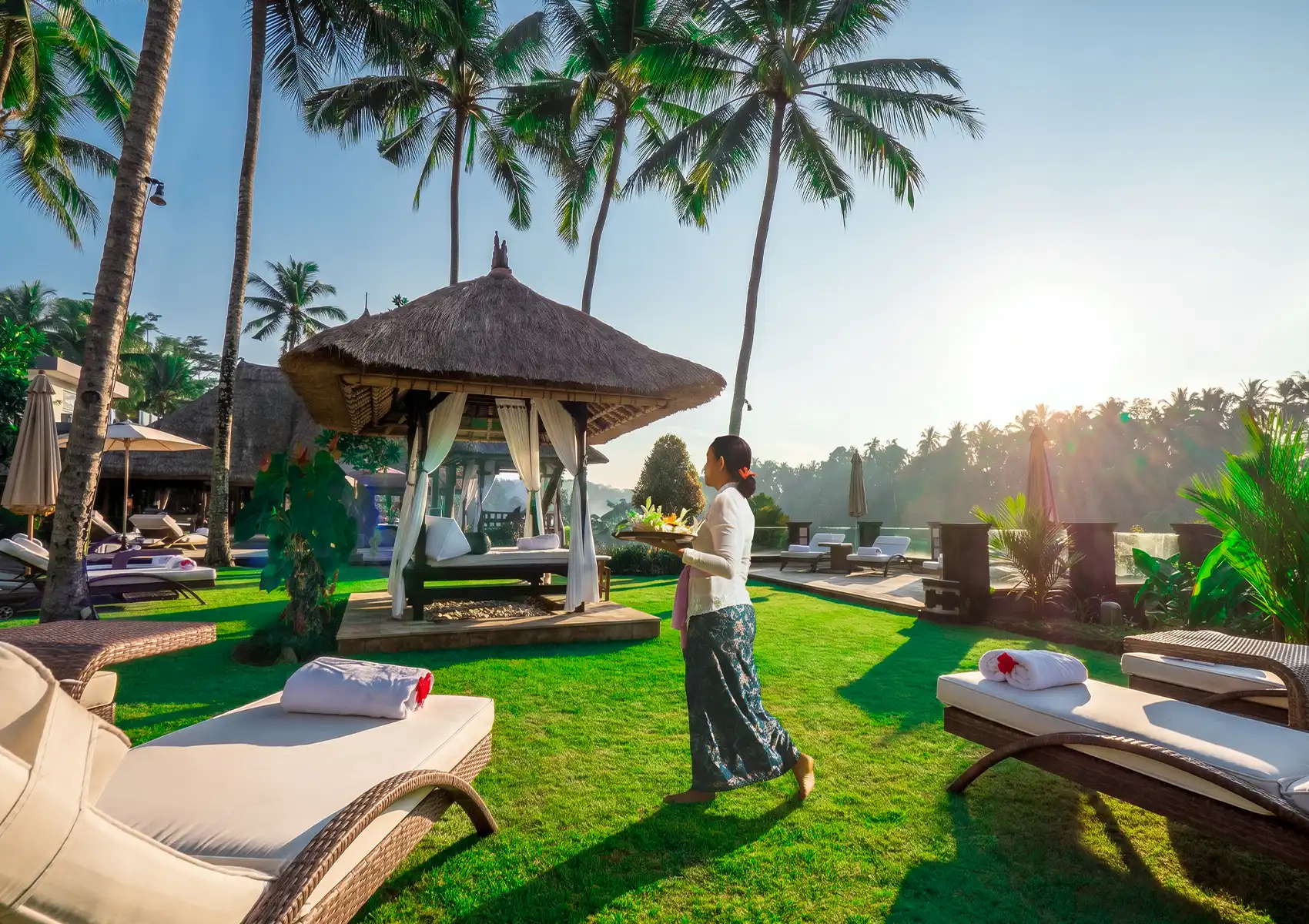
Sustainable Travel in Ubud at Viceroy Bali
Viceroy Bali has operated the same way since opening in 2005. The water from your villa tap comes from a natural 80-metre mountain spring, filtered and safe to drink. The vegetables on your plate were grown in the property’s own kitchen garden. The wastewater from the property is treated using an 18-step organic system before being returned to the Petanu River below, clean. A significant share of the team comes from the villages immediately surrounding the property.
These are not recent additions to a sustainability report. They are the daily decisions that define what staying at this boutique hotel in Ubud actually feels like. In June 2026, that practice was independently verified when Viceroy Bali became among the first boutique hotels in Ubud to earn GSTC Certification, the globally recognised benchmark for sustainable tourism.
Travelling More Consciously in Bali
Bali is one of the most visited destinations in Southeast Asia, and today’s travellers are increasingly mindful of their choices upon arrival. Where to stay, how to spend, who to employ, and what to return to the land and water are decisions that matter more than they once did.
Sustainable travel in Bali is not about visiting less. It is about choosing better. The properties, guides, and experiences that genuinely invest in the place they occupy offer something fundamentally different from those that do not.
At Viceroy Bali, these decisions have been made the same way since 2005.
The Water
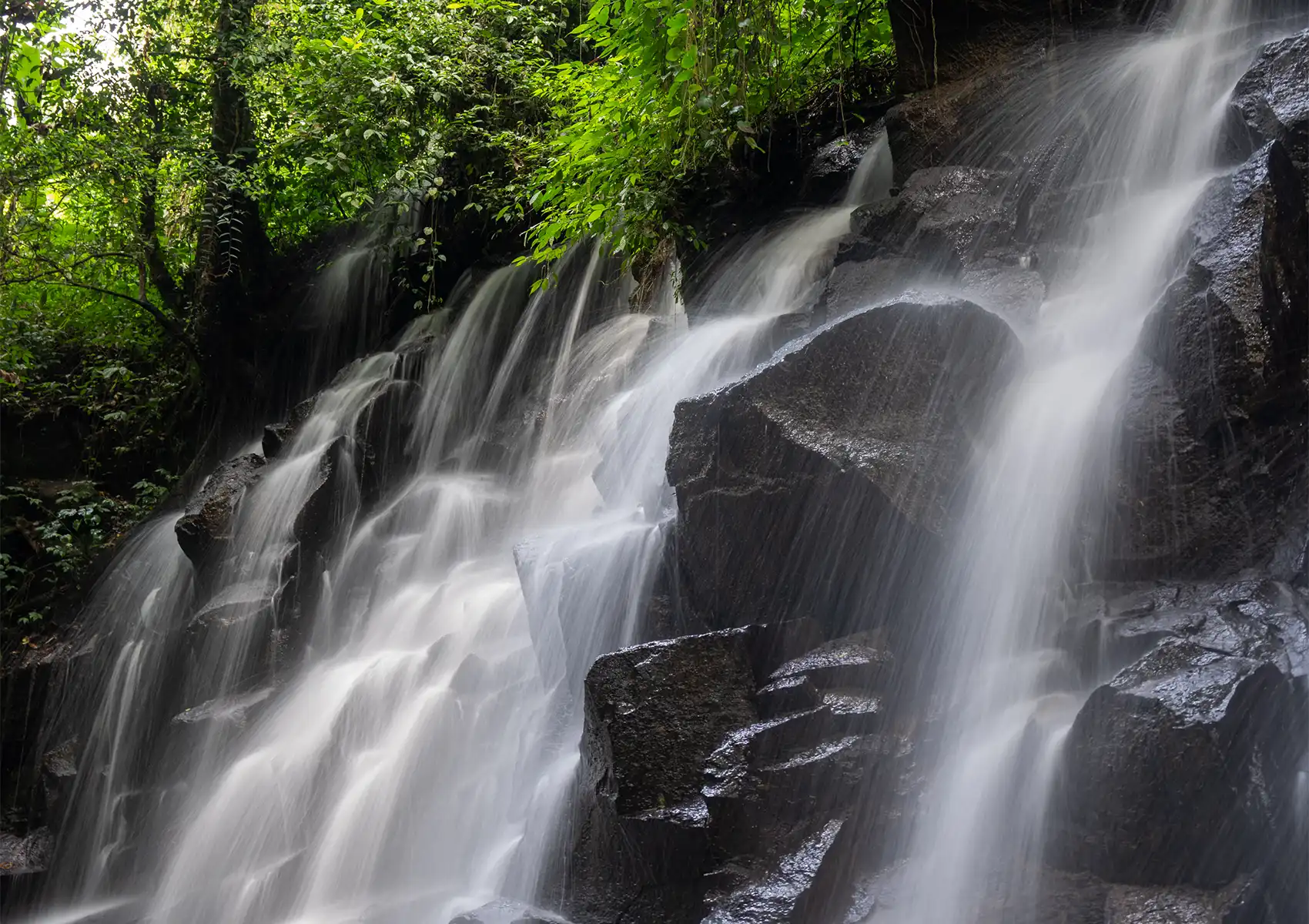
Viceroy Bali sources its water from a natural spring located 80 metres deep in the surrounding mountains, filtered to international drinking water standards and available from the tap in every villa. Single-use plastic bottles have been eliminated across the property.
An 18-step organic wastewater treatment system processes all waste before returning clean water to the Petanu River below, directly benefiting the downstream villages that share the same source. Monthly water tastings ensure consistent quality year-round.
The Community
At Viceroy Bali, a significant share of the team comes from the villages immediately surrounding the property, with 37 per cent from Petulu and the remainder from neighbouring communities. Local suppliers are prioritised across operations. Internships are prioritised for Indonesian and local community students, several of whom have gone on to full-time positions within the property.
The boutique carries handcrafted merchandise from local sustainable producers. Guests are encouraged to experience Ubud through locally guided walks, rice field treks, and cultural activities that direct spending toward local guides, drivers, and artisans. Monthly village clean-up sessions and support for local schools form part of the property’s ongoing commitment to surrounding communities.
To arrange locally guided experiences, contact the guest services team before arrival.
The Culture
At Viceroy Bali, the Balinese Hindu faith and its traditions are woven into the property’s daily rhythm. Many team members follow devout Hindu practices, and there is active encouragement to set aside time for prayer, ceremonies, and rituals throughout the working day.
Every Thursday, team members wear traditional Balinese dress. Women wear the kebaya, while men wear a white shirt with a batik or songket kamben, an overlay called the saput, a sash, and a traditional headdress called the Udeng.
A Balinese dance performance is held every Monday at 7.30 pm at CasCades Restaurant, keeping this tradition alive for guests. During special Balinese ceremonies, in-house guests are invited to participate, offering a deeper appreciation of the island’s rich cultural traditions. The presence of a temple on the property reflects that these sacred practices remain a living part of daily life at Viceroy Bali.
Guests can arrange traditional dance lessons, blessings led by Balinese priests, and guided temple circuits through the guest services team.
The villas are built in the traditional alang-alang style, Bali’s thatched-roof architecture. Regular maintenance is carried out by local craftsmen from surrounding villages, providing skilled ongoing work for the communities closest to the property and preserving a building tradition that has defined Balinese architecture for centuries.
The Kitchen
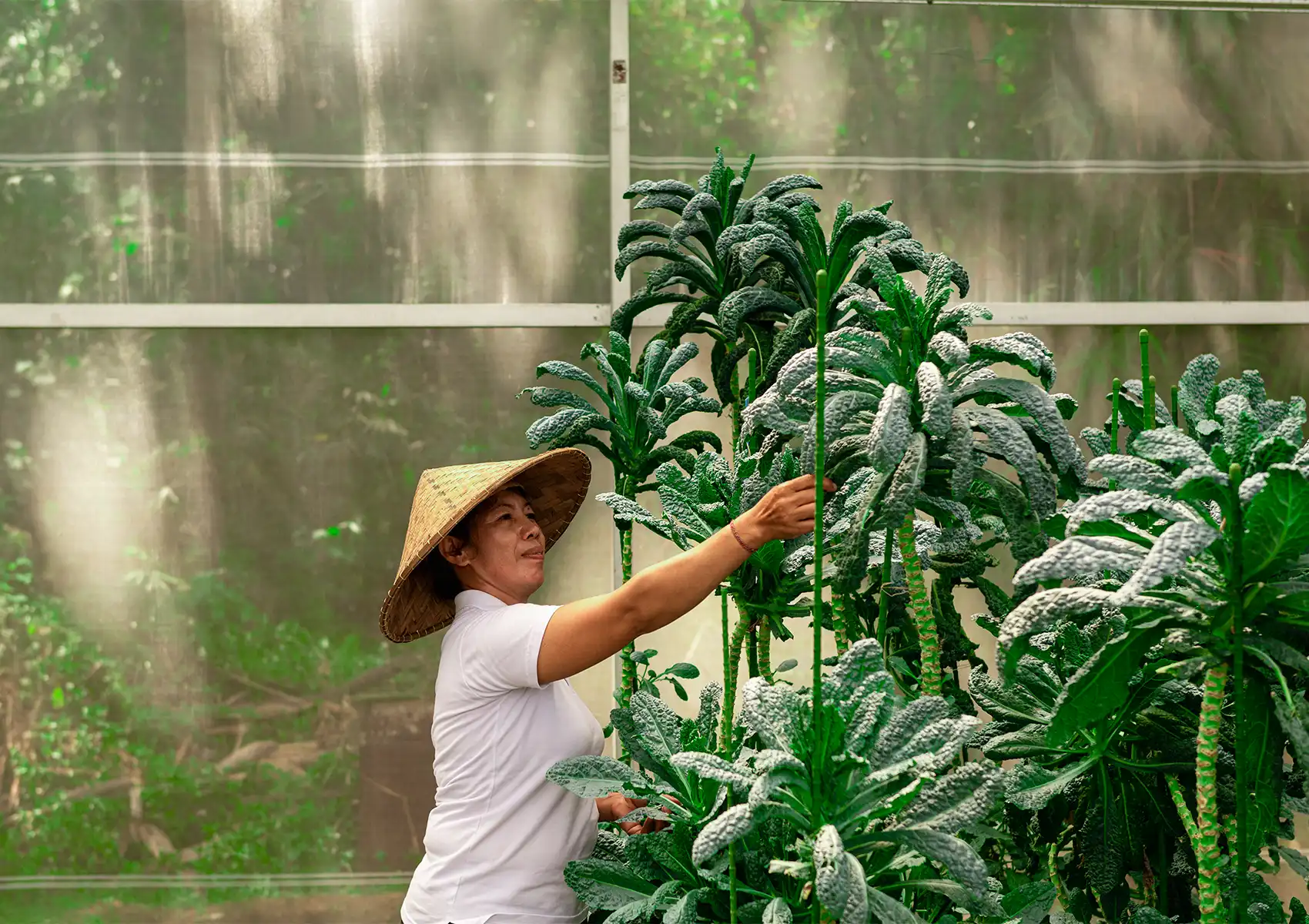
Viceroy Bali operates an organic kitchen garden supplying fresh produce to both CasCades Restaurant and Apéritif Restaurant. Zero-waste cooking is confirmed across both kitchens, with the Heirloom Tomato dish at Apéritif documented as the property’s signature zero-waste dish. The Apéritif non-alcoholic programme is produced from kitchen trimmings, including a house-made kombucha. Sourcing ingredients from nearby farms and producers reduces the carbon emissions associated with long-distance food transportation, while keeping spending within the local agricultural community.
Both CasCades Restaurant and Apéritif Restaurant embody this philosophy through their distinctive dining experiences. At CasCades, guests enjoy relaxed, all-day dining overlooking the Valley of the Kings, while Apéritif presents a multi-course degustation showcasing global gastronomy crafted with exceptional Indonesian produce. Across both venues, sustainability and thoughtful dining are not competing priorities but complementary principles, guiding the choices made in the kitchen every day.
Stay Above the Valley
At Viceroy Bali, the practices described in this article are not seasonal initiatives. They are embedded in how the property operates, verified by an independent assessment, and felt in the detail of every stay.
To arrange your stay, contact the reservations team at res@viceroybali.com.
View the full scope of Viceroy Bali’s sustainability commitments on the Sustainability page or read about the GSTC Certification in detail.
Frequently Asked Questions
What does sustainable travel mean in Bali?
Sustainable travel means making choices that benefit the destination you visit, the communities that live there, and the natural environment that makes it worth visiting. In Bali, choosing where to stay, where to eat, and how to spend your time directly impacts local communities and the island’s natural resources. Properties that genuinely invest in sustainable practices offer a different quality of experience, one that connects guests more deeply to the place they are visiting.
What is GSTC Certification and why does it matter for guests?
GSTC Certification is the globally recognised benchmark for sustainable tourism, independently assessed across four pillars including sustainable management, community support, cultural preservation, and environmental responsibility. For guests, it means the sustainable practices at Viceroy Bali have been independently verified by a third party rather than self-declared. It provides confidence that the water system, community employment, cultural preservation, and environmental commitments described in this article are genuine and consistent. Guests can stay knowing the property’s sustainability claims are backed by evidence.
What does sustainable travel at Viceroy Bali look like?
Drinkable tap water from an 80-metre mountain spring. A team from the surrounding villages. An 18-step wastewater system returning clean water to the Petanu River. An organic kitchen garden. Traditional alang-alang architecture maintained by local craftsmen. Regular Balinese dance performances at CasCades Restaurant. An onsite temple that remains in active use. Sustainable travel at Viceroy Bali is not a department. It is a daily practice.
Can guests engage with the local community during their stay?
Yes. The guest services team can arrange locally guided tours, rice field walks, temple circuits, traditional dance lessons, and blessings led by Balinese priests. Contact res@viceroybali.com before arrival to plan your itinerary.
Is Viceroy Bali GSTC Certified?
Yes. Viceroy Bali earned GSTC Certification in June 2026, following an assessment by Control Union that included documentation reviews, staff interviews, supplier assessments, and on-site audits. The property is among the first boutique hotels in Ubud to hold this certification.