When Is Summer in Bali?
Most people searching for this question come from a country with four seasons. Spring, summer, autumn, winter. And they are trying to map that familiar framework onto an island that does not work that way.
Bali does not have summer and winter in the conventional sense. It has two seasons: a dry season and a wet season. What most international travellers call summer in Bali is the dry season. And it is, by almost every measure, the best time to visit.
Here is everything you need to know about when summer is in Bali, what each month actually feels like, and how to choose the right time for your trip.
What Is Summer in Bali?
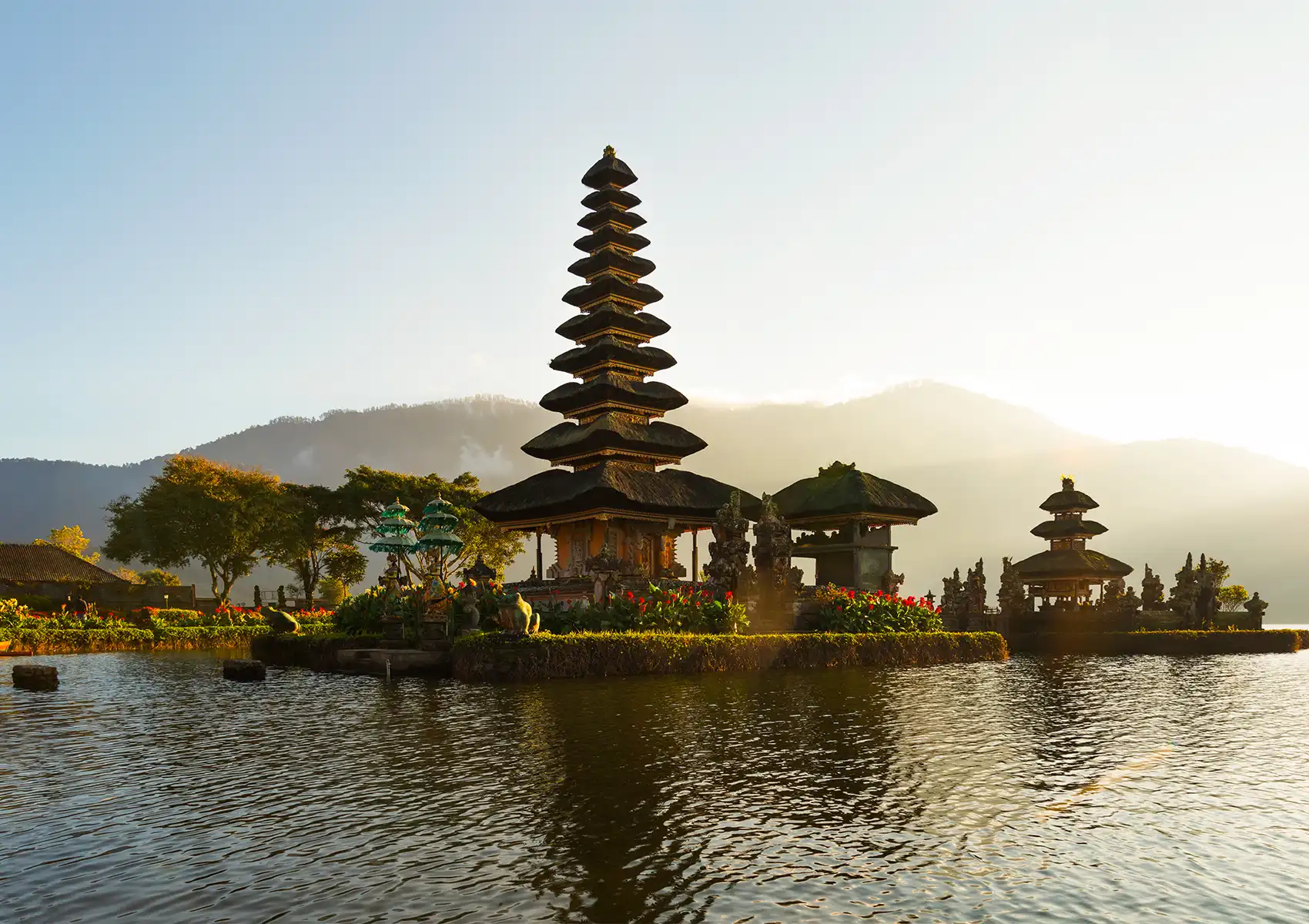
Summer in Bali is the dry season, which runs from April through to October. This is the period when the island receives the least rainfall, enjoys the most sunshine, and welcomes the largest number of visitors.
Temperatures during the Bali summer months range from around 26 to 32 degrees Celsius. Humidity is noticeably lower than in the wet season, which makes the heat feel more comfortable and the days easier to move through. Sunshine averages 8-10 hours per day during the peak summer months of July and August, making it the most consistently bright period of the year.
Very little rain falls during the core summer months of June, July, and August. April and May see occasional light showers but remain largely dry. September and October sit at the tail end of the dry season, with October marking the transition to the wet season.
For most travellers, Bali’s summer means clear skies, warm days, calm seas, and an island fully open and operating at its best.
What Are the Bali Summer Months?
Not every month of the Bali summer feels the same. Here is what to expect throughout the full dry season.
April is the soft start of the dry season. Occasional showers still come through, particularly in the afternoons, but the rainy season is drawing to a close, and the days are increasingly bright and warm. The seas are beginning to calm along the east coast, and visibility is improving for snorkelling and diving. April is a relatively quiet month and one of the better value options of the year.
May is widely regarded as one of the finest months on the island. It is the hottest month by average temperature, with an average of around 29 degrees Celsius, and the dry season is fully established. The crowds have not yet peaked. Prices are still reasonable. Outdoor activities, from volcano hikes to water sports, are all excellent at this time. May is a genuine sweet spot.
June is when the Bali summer begins to feel like a destination season. The school holidays start in parts of Europe and Australia, visitors increase, and the island takes on a more social and energetic character. The weather is excellent, with average temperatures around 27 degrees, low humidity, and consistent sunshine. For couples and honeymooners, June is often considered the most balanced summer month, offering good weather without the full pressure of peak season.
July is the start of peak season in Bali. International school holidays overlap broadly, and the island fills with visitors from Australia, Europe, and Asia. Beach clubs, restaurants, and temples are at their busiest. The weather is outstanding with up to 10 hours of sunshine per day and minimal rainfall. July is Bali at its most energetic and its most expensive.
August continues the peak season of July with the same outstanding weather and high demand. Toward the second half of the month, a subtle shift begins as some visitors depart and availability gradually improves. August is generally one of the sunniest months of the Balinese year, with an average of 10 hours of sunshine daily, and the sea conditions are ideal for water sports, diving, and snorkelling.
September is a transition back toward the shoulder season. European schools return, and visitor numbers ease. The weather remains excellent, with temperatures around 27 degrees and very little rainfall. Prices are beginning to come down while conditions remain largely as good as in August. For travellers who want dry-season weather without peak-season crowds and costs, September is one of the most underrated months of the year.
October marks the tail end of the Bali summer. The first three weeks are firmly within the dry season. The final week sees the first light transitional showers as November approaches and the wet season begins. The island is quieter, prices are lower, and the landscape begins its transformation to the lush green that the approaching rains bring. A genuinely beautiful time to be in Bali for those who do not require certainty of sunshine every day.
What Is the Hottest Month in Bali?
May is the hottest month in Bali by average temperature, with an average of around 29 degrees Celsius. The dry season is fully established, humidity is relatively low, and the combination of warm days and clear skies makes it feel like the kind of heat you want to be in rather than escape from.
However, it is worth understanding that “hottest” in Bali is not simply about the thermometer. Humidity plays an enormous role in how the temperature actually feels. March, which falls in the wet season and has average temperatures around 27 degrees, can feel significantly hotter than May because the humidity at that time of year makes the air dense and heavy. If you have ever seen the “feels like” temperature on a weather app, you will understand the gap.
July and August offer what many consider the most comfortable version of the Bali heat. Temperatures of around 27 degrees, combined with the lowest humidity of the year, mean the warmth is pleasant and manageable. You feel warm without feeling drained. It is the temperature you want for a full day outdoors.
For visitors who are sensitive to heat and humidity, June through August is the most comfortable window. For those who want the maximum warmth, May is the answer.
Bali in June vs July vs August
All three months fall within Bali’s peak dry season. The weather across all three is excellent and consistent. The differences are about atmosphere, availability, and experience rather than sunshine.
June is the most balanced of the three. The weather is excellent, the island is social and lively, but the deepest peak of the season has not yet arrived. Restaurant bookings are easier. Resort availability is better. The atmosphere has energy without feeling overwhelmed. For couples seeking both good weather and a more considered pace, June is often the right answer.
Couples planning a romantic getaway in the early dry season often consider Bali one of the best honeymoon destinations in June.
July is peak season at its fullest. International school holidays from Australia, Europe, Asia, and beyond overlap, and the island is at its most vibrant. Beach clubs are full. Popular temples require patience. The social energy is high, and for many travellers, that is precisely what they are looking for. It is also the most expensive month of the dry season and requires the most advance booking.
August is nearly identical to July in weather and demand, but with a subtle softening as the season progresses. Early August is still very much peak season. Late August begins to feel slightly more open. For travellers who want the peak summer experience with a little more flexibility, arriving in Bali in the final two weeks of August can offer the best of both.
The honest answer is this: choose June if you want the best balance of weather and space. Choose July if you want maximum energy and atmosphere. Choose August for peak-season conditions, with slightly more room to move as the month progresses.
What to Do in Bali in Summer?
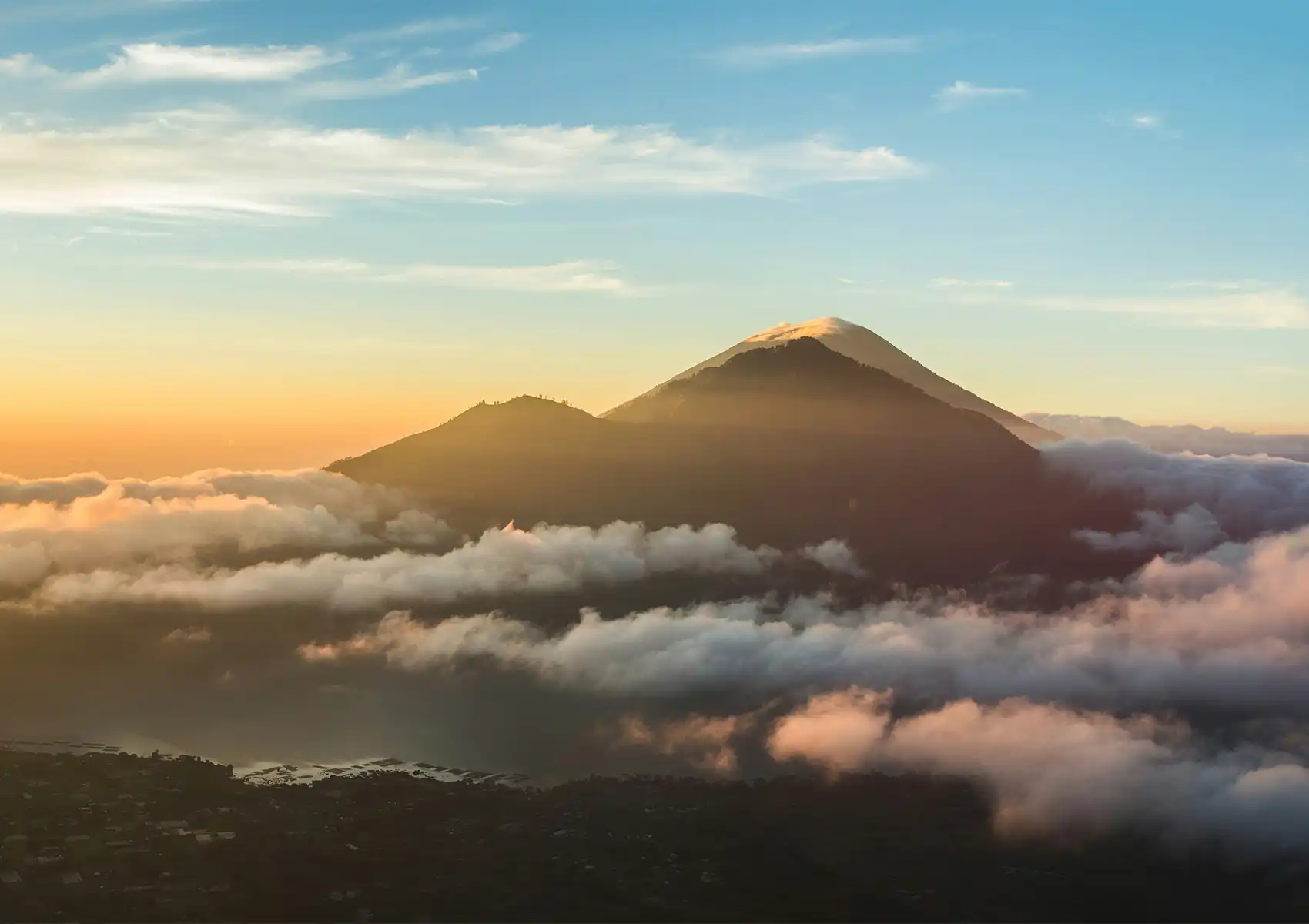
The Bali summer months are when the island is at its most open and most accessible for outdoor activities. Almost everything the island offers works better in the dry season than in the wet.
Surfing
The dry season from April to October brings consistent swells to the west and southwest coast of Bali. Uluwatu, Padang Padang, Bingin, and Canggu are all at their best during this period. The sea temperature is a comfortable 27-28 degrees, so no wetsuit is required. For experienced surfers, July and August offer the most consistent and powerful waves of the year.
Volcano Hiking
The Mount Batur sunrise hike is one of the most popular experiences in Bali, and the dry season is by far the best time to do it. Clear skies at the summit make the sunrise extraordinary. In the wet season, clouds frequently obscure the view, and the paths can be slippery and difficult to navigate. The dry season window from April through September gives the best chance of a clear summit experience. The hike takes around two hours to reach the top and typically begins at 4 am to catch the sunrise.
Diving and Snorkelling
The dry season brings calmer seas and better visibility across most of Bali’s dive sites. The waters around Nusa Penida and Nusa Lembongan are at their most accessible between May and September. The mola-mola, the extraordinary ocean sunfish that attracts divers from around the world, appears at Nusa Penida sites between July and October. Crystal Bay and Toyapakeh are the most consistent sites for this extraordinary creature.
Bali Arts Festival
The Bali Arts Festival runs annually from June through July at the Werdi Budaya Arts Centre in Denpasar. It is one of the largest cultural events in the Indonesian calendar, celebrating Balinese art, music, dance, and craft. Performances include traditional kecak fire dance, gamelan orchestras, wayang kulit shadow puppetry, and elaborate ceremonial processions. For visitors arriving in June, the Arts Festival adds a cultural dimension to the trip that the rest of the year cannot replicate.
Bali Kite Festival
The Bali Kite Festival takes place in July, traditionally held on Padang Galak Beach near Sanur. It is a genuinely extraordinary event. Enormous traditional Balinese kites, some spanning over ten metres, are flown competitively by teams from across the island. The festival has deep spiritual roots in Balinese Hinduism, with the kites believed to carry messages to the gods. It is one of the most visually spectacular and culturally specific events in Bali’s calendar.
Temple Visits and Cultural Exploration
The dry season is when Bali’s temple circuit is most accessible. The major temples, Tanah Lot, Uluwatu, Besakih, Goa Gajah, and Puri Saren Agung Palace in Ubud, are all best visited in the clear weather of the dry season. Early morning visits before 9 am offer the best combination of good light, lower crowds, and cooler temperatures.
Rice Paddy Walks and Nature
The rice terraces around Ubud, including Tegallalang and Jatiluwih, are at their most picturesque in the dry season when the light is sharp and clear. The Campuhan Ridge Walk above Ubud is excellent in the early morning during the dry months. The jungle surrounding the Valley of the Kings in Ubud is extraordinary in the dry season, with clear air and long views across the valley.
Is Bali Summer Good for Couples and Honeymooners?
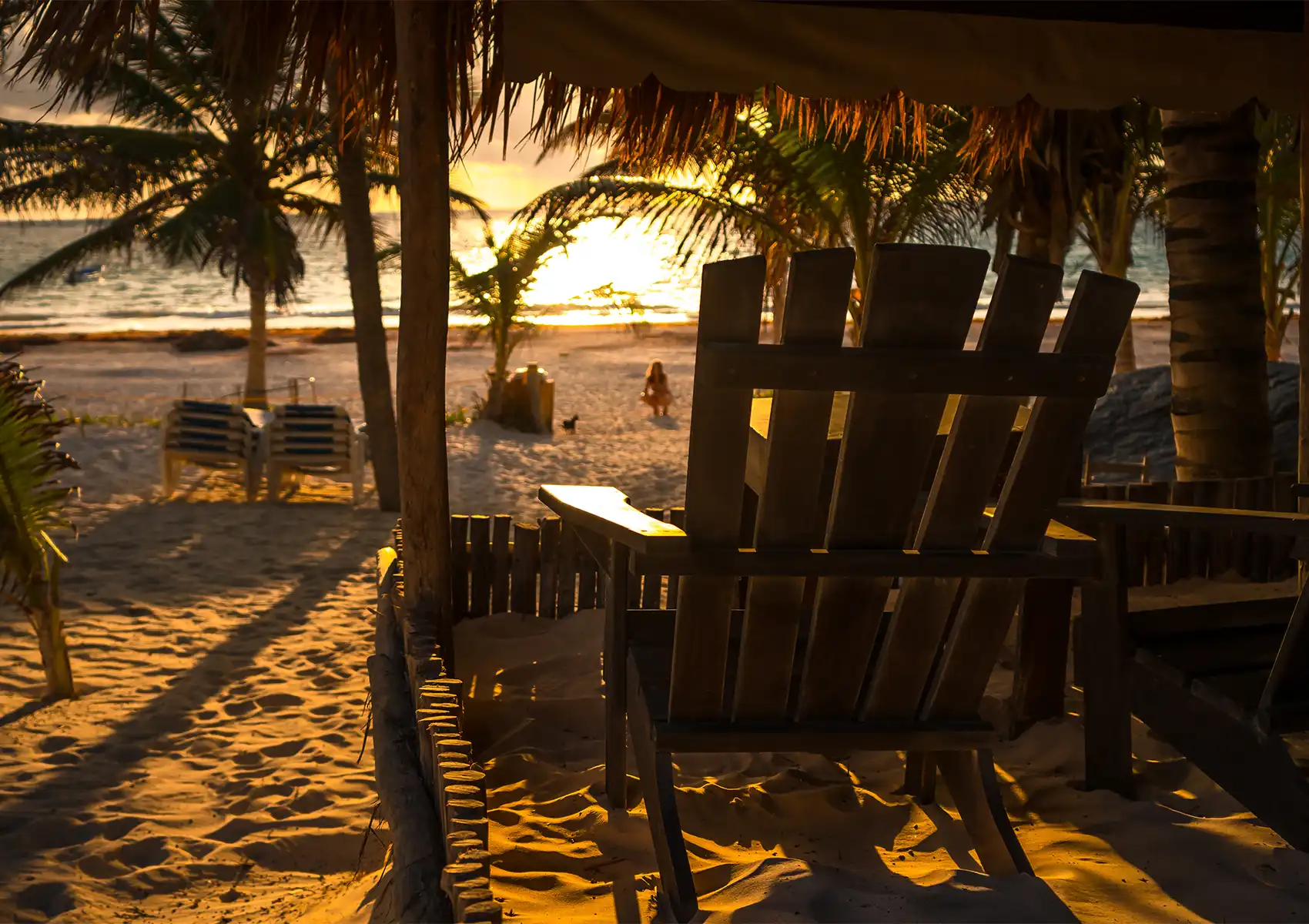
Yes. Bali summer is the most popular time of year for couples and honeymooners, and for good reason. The weather is reliable, the island is at its most beautiful, and the range of romantic experiences available is at its widest.
The distinction worth making is between the peak months and the shoulder months of the dry season.
July and August bring the island to life in a way that some couples love and others find overwhelming. The beaches, restaurants, and popular areas are at their most energetic. For couples who want that social, celebratory atmosphere as the backdrop for their trip, these months deliver it in full.
June and September are the romantic sweet spots of the Bali summer. Both offer excellent weather, a quieter version of the island around you, and more reasonable prices than during peak season. The pace outside the resort allows for the kind of unhurried exploration that romantic trips benefit from.
At Viceroy Bali, the experience remains the same every month of the year. Forty private pool villas above the Valley of the Kings. Your terrace, your pool, and your valley view are entirely yours from the moment you arrive. The property’s seclusion sits above whatever the island is doing around it. What changes between June and July is the world outside our gates, not the one inside them.
Is Bali Gay Friendly in Summer
Bali is widely regarded as one of Southeast Asia’s most welcoming destinations for LGBTQ travellers, and the summer months bring an especially vibrant and social atmosphere to the island.
Among Bali’s areas, Seminyak remains the heart of the LGBTQ scene. The neighbourhood is home to a collection of LGBTQ-friendly bars, restaurants, beach clubs, and accommodations, many of them centred around Jalan Camplung Tanduk. Its relaxed, cosmopolitan vibe has helped establish Seminyak as a longstanding hub for both local and international LGBTQ visitors.
While Bali’s cultural landscape differs from major urban centres such as Bangkok, Manila, and Singapore, Seminyak offers a level of openness and inclusivity that compares favourably with some of the region’s most LGBTQ-friendly destinations, making it a popular choice for travellers seeking a welcoming and relaxed beach getaway.
Ubud is quieter and more culturally conservative in character, but luxury resorts, including Viceroy Bali, welcome all guests without distinction. The privacy of a private pool villa in a secluded jungle setting creates an environment where every couple can feel entirely comfortable and completely themselves.
For a full and detailed guide to what LGBTQ travellers can expect across Bali, the Bali gay friendly guide covers everything from the most welcoming areas to practical considerations for planning your trip.
Practical Things to Know About Bali in Summer
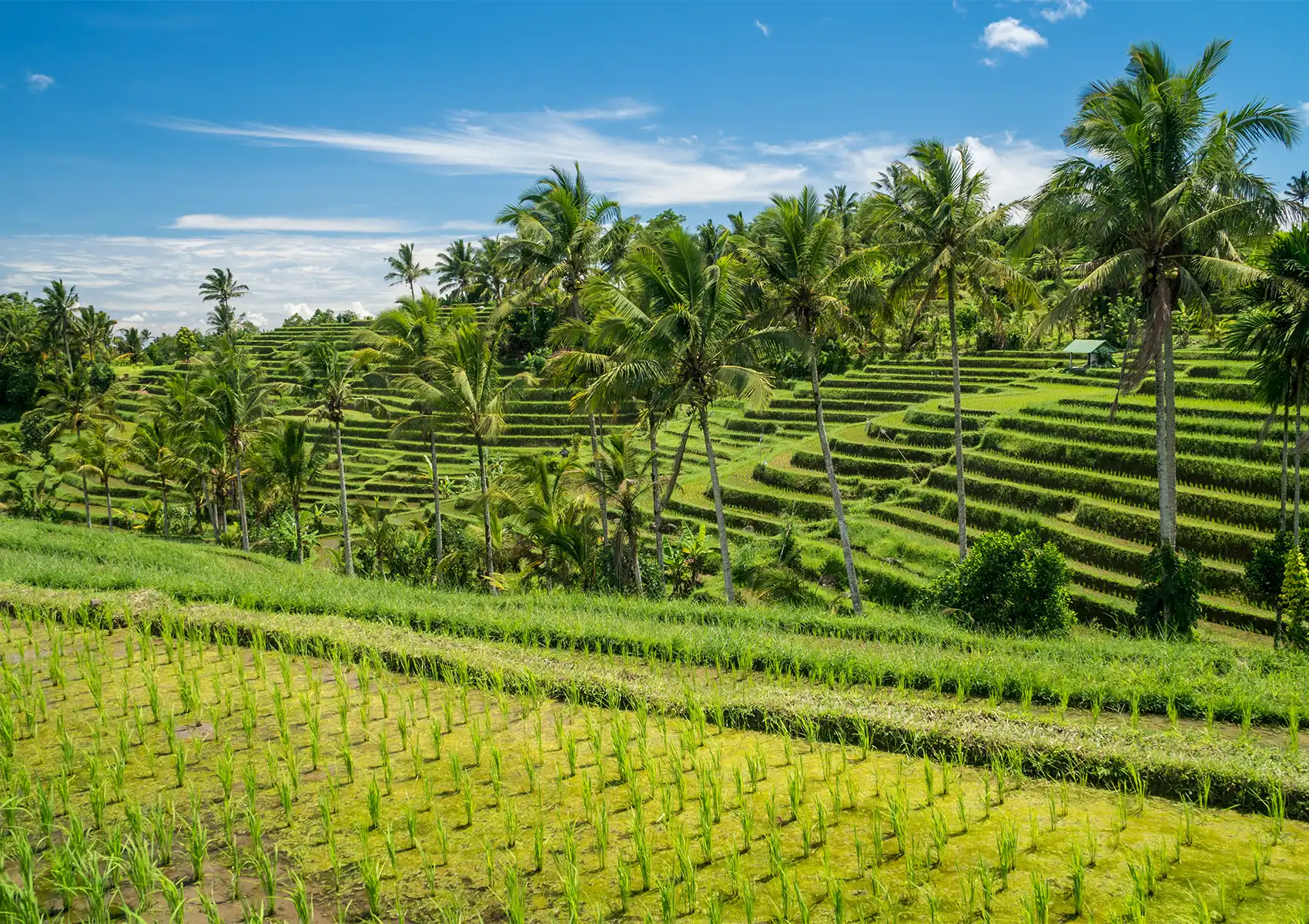
A few things that make the trip significantly smoother.
Book in advance for July and August
The most popular villa categories at the best resorts sell out months ahead of the peak season. At Viceroy Bali, the Deluxe Terrace Villas and the Vice Regal category are typically the first to go for July and August. If your dates are flexible, choosing June or September gives you considerably more options at better rates.
Expect higher prices in July and August
Flights, accommodation, and tours are all at their most expensive during peak season. June and September offer the same weather at a meaningfully lower cost.
Plan around the festivals
The Bali Arts Festival in June and July and the Bali Kite Festival in July are both worth building a trip around. Check exact dates each year as they shift slightly. The best time to visit Bali guide covers the full event calendar alongside the seasonal breakdown.
Protect against the sun
Bali sits close to the equator, and the UV index during summer is high regardless of temperature. Factor 50 sunscreen, a wide-brimmed hat, and UV-protective sunglasses are non-negotiable items. The sun in Bali in July feels different to the sun in a temperate summer. It is more direct and more powerful than most visitors expect.
Stay hydrated
The combination of heat and outdoor activity in Bali’s summer quickly depletes hydration. Carry a refillable bottle. At Viceroy Bali, every villa has filtered tap water that is safe to drink directly, which is one of the few properties on the island that offer this.
Mosquito protection matters in summer, too
Dengue fever risk in Bali is present year-round, not only in the wet season. Insect repellent in the evenings and long sleeves in garden or rural settings are sensible regardless of the season.
Summer at Viceroy Bali
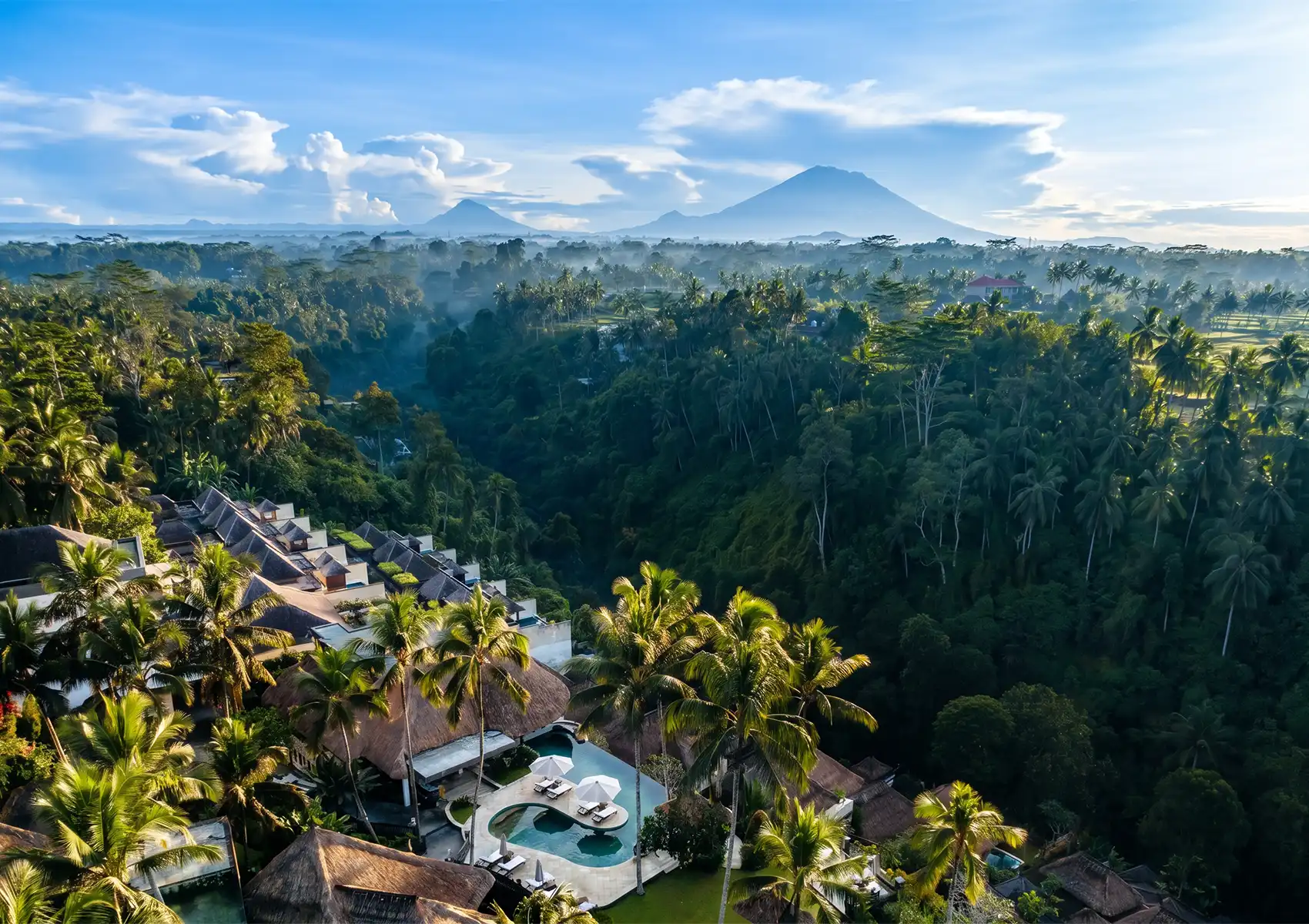
For many guests, summer is the season that most closely matches the classic vision of Viceroy Bali.
The valley below is clear. The sky above is that specific shade of Ubud blue that does not photograph quite as well as it looks in person. The rice paddies are either freshly planted or in full, brilliant green, depending on the month. The morning mist that sometimes fills the valley floor burns off by 9 am, leaving the air clean and warm.
Forty private pool villas sit above that valley. Every pool is heated. Every villa faces the same view. In the summer months, the combination of clear skies, long mornings, and the kind of silence that Ubud produces even at its busiest makes the terrace the place you spend most of your time.
Akoya Spa operates at full capacity throughout the summer season, with a limited collection of just three single treatment rooms and three double suites, underscoring an emphasis on privacy and exclusivity. The spa’s refined wellness menu pairs contemporary Western techniques with traditional Balinese healing, with its signature Balinese massage among the most popular treatments. Bookings in July and August are best secured in advance of arrival.
Apéritif Restaurant, our MICHELIN Key 2025 fine dining experience, is at its most social in the summer months. The Art Deco dining room, the curated wine cellar of over 500 labels, and the full tasting menu under Executive Chef Nic Vanderbeeken make dinner at Apéritif one of the most consistently memorable evenings in Ubud, regardless of the time of year. In peak season, it is worth reserving your table before you arrive.
CasCades Restaurant serves breakfast, lunch, and dinner with panoramic views of the valley throughout the summer. The Royal Balinese Rijsttafel, a nine-course tasting journey through the finest of Indonesian cuisine, is the centrepiece of the dinner menu and worth planning a specific evening around.
Our service team can curate the full spectrum of summer experiences, from the Bali Arts Festival and sunrise ascents of Mount Batur to diving excursions in Nusa Penida, temple visits, and bespoke private island itineraries.
Plan Your Summer Stay at Viceroy Bali
Bali’s summer is the island at its best. Warm days, clear skies, the cultural calendar at its most active, and the full range of outdoor experiences available without weather uncertainty.
Viceroy Bali in summer is forty private pool villas above the Valley of the Kings, a MICHELIN Key 2025 fine dining restaurant, a world-class couples spa, and a guest service team that treats every detail of your stay as something worth getting right.
If you are planning a summer trip and would like to discuss dates, villa categories, or what we can arrange for your stay, we would love to hear from you.
Get in touch by emailing us at res@viceroybali.com.
Frequently Asked Questions
When is summer in Bali?
Summer in Bali is the dry season, which runs from April through to October. The peak summer months are June, July, and August, when the island receives the most sunshine, the least rainfall, and the largest number of international visitors. May is also an excellent summer month, widely considered the hottest and one of the best value periods of the dry season.
What months are the Bali summer?
The Bali summer months are April through October, covering the full dry season. Within this window, June, July, and August are the core peak summer months. May is often considered one of the hottest months in Bali. September and October sit at the shoulder of the season and offer excellent weather, fewer crowds, and lower prices.
What is the hottest month in Bali?
May is the hottest month in Bali by average temperature, with an average of around 29 degrees Celsius. However, July and August offer the most comfortable version of Bali’s heat due to their lower humidity, which makes the warmth feel pleasant rather than heavy. March can feel hotter than either due to the combination of wet-season humidity and rising temperatures.
Is June, July, or August the best time to visit Bali?
June is the best balance: excellent weather, a lively atmosphere, and more availability and better prices than peak season. July is best for travellers who want the most energy and social atmosphere. August is very similar to July but softens slightly toward the end of the month. For couples and honeymooners, June is generally the most romantic choice.
What is Bali like in summer?
Bali in summer is warm, sunny, and dry for most of the season. The island is at its most active and social, with beach clubs, restaurants, and cultural events all operating at full capacity. The natural scenery, rice terraces, jungle valleys, and coastal landscapes are at their most visually striking in the clear light of the dry season. It is the version of Bali that most people picture before they visit, and it largely lives up to that picture.